Daily Generative AI Brief — September 22, 2026
Published: September 22, 2026
Coverage period: 24-hour primary window ending at 2026-09-22T13:08:00.000Z; recency fallback used for reviewed items outside the primary window.
IN THIS EDITION · 6 ARTICLES / 2 VIDEOS / 2 PODCASTS
Choose what matters to your work
- Six reusable Agent Skills turn model deployment into a repeatable workflowArticle · about 19 min source read
- Benchling treats agent-generated code as untrusted in a multi-tenant security designArticle · about 21 min source read
- EXL combines document AI and domain LLMs to compress medical claims reviewArticle · about 21 min source read
- Dreamforce highlights the shift from AI features to agentic business workflowsArticle · about 27 min source read
- Agent evaluation is moving from tool-call scores to full task completionArticle · about 14 min source read
- AI-assisted ROS 2 optimization targets zero-copy GPU data pathsArticle · about 16 min source read
- Codex's NEW A2A Communication & Crazy NEW UPDATES: You don't know about these SECRET UPDATES!Video · 5:06
- Harness Arena (Fully Tested): This NEW Benchmark TESTED Every AGENT HARNESS (which is the best?)Video · 6:13
- AI's new MusePodcast
- AI Doom Backlash Arrives, Anthropic & OpenAI IPO Outlook, Frontier Business Momentum SlowsPodcast
1. Six reusable Agent Skills turn model deployment into a repeatable workflow
Focus: Agents for Everyone
Date: September 18, 2026
Topics: Agent Skills, SageMaker, model deployment, reusable workflows
Evidence: Official Announcement
Availability: Published
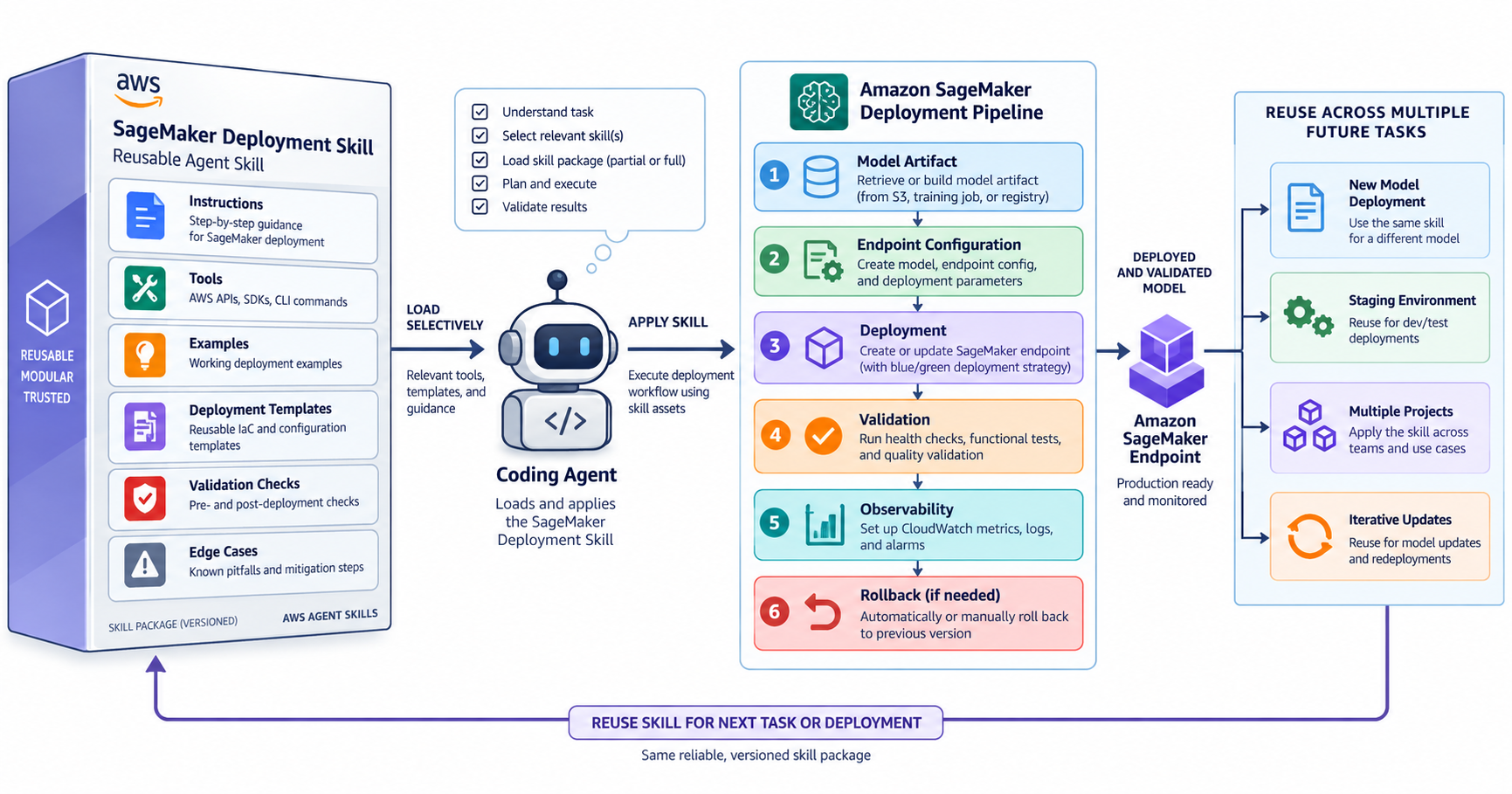
Summary: AWS shows six open-source skills that let coding agents deploy Hugging Face models on SageMaker AI with serving-container selection, autoscaling, CloudWatch alarms, endpoint verification, and teardown steps encoded as reusable procedures.
Why it matters: This is a concrete Agent Skills pattern: package a proven procedure once, then let an agent invoke it repeatedly with the same checkpoints. For non-specialists, that can make complex operational work more repeatable without pretending the underlying engineering has disappeared.
What to do now — Encode one proven runbook as a skill: Pick a stable, repeatable procedure with explicit checks and package it so an agent can execute the same verified workflow on demand.
Source: Deploy Hugging Face models on Amazon SageMaker AI with coding agents
2. Benchling treats agent-generated code as untrusted in a multi-tenant security design
Focus: Agents for Everyone
Date: September 21, 2026
Topics: agent security, sandboxing, multi-tenancy, data exfiltration
Evidence: Official Announcement
Availability: Published
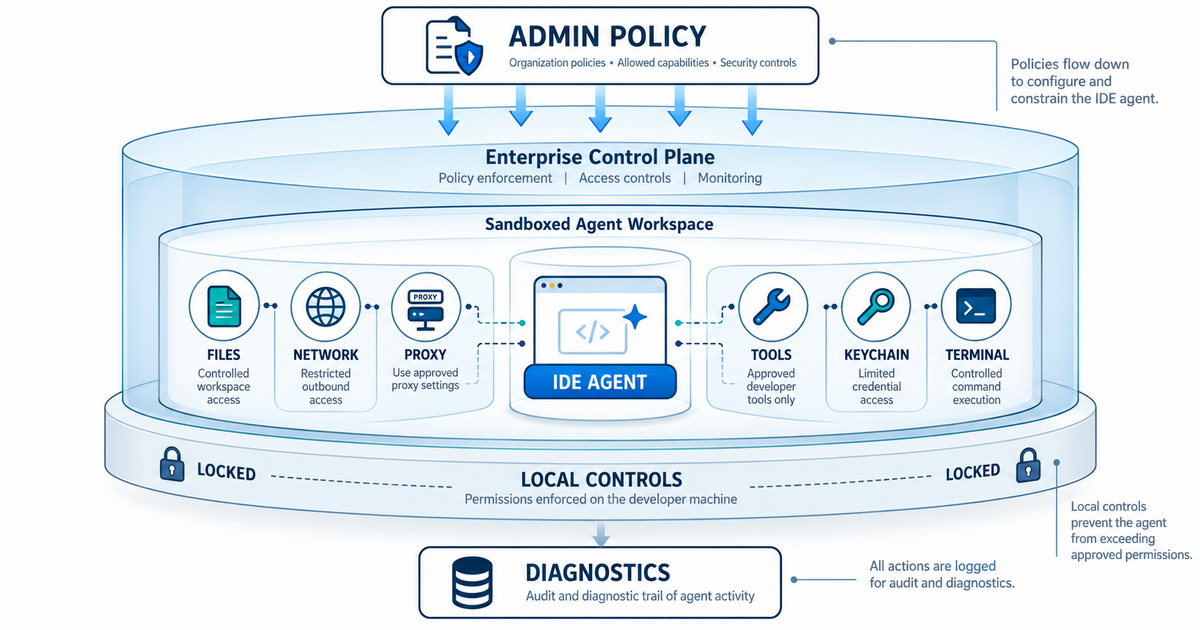
Summary: AWS describes how Benchling runs AI agent-generated scientific code using AgentCore Code Interpreter in VPC mode, combining network isolation, DNS controls, and endpoint policies to reduce cross-tenant and data-exfiltration risk.
Why it matters: As agents gain the ability to write and run code, the key design assumption should be that generated code is untrusted. Security has to come from containment, least privilege, network controls, tenancy boundaries, and observable execution—not confidence in the model.
What to do now — Treat agent code as untrusted: Place code-executing agents behind isolated runtimes, least-privilege policies, outbound network controls, tenant boundaries, and audit logs.
Source: How Benchling secured multi-tenant AI agents with Amazon Bedrock AgentCore
3. EXL combines document AI and domain LLMs to compress medical claims review
Focus: Applied Generative AI for Knowledge Workers
Date: September 21, 2026
Topics: document AI, claims review, knowledge work, human review
Evidence: Official Announcement
Availability: Published
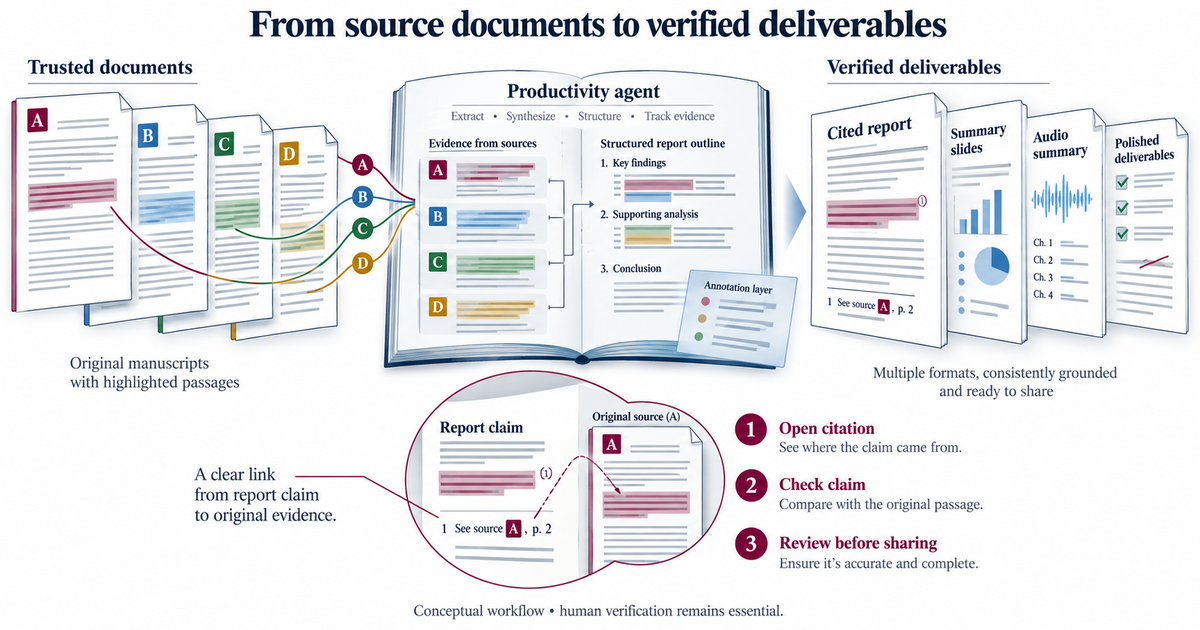
Summary: AWS describes EXL's medical intelligent document processing solution, which extracts, summarizes, and supports querying of large medical-record sets using document processing plus domain-focused models on SageMaker and Bedrock.
Why it matters: The strongest knowledge-worker use cases increasingly redesign an entire information workflow: ingesting messy documents, structuring evidence, summarizing context, and keeping a reviewer in the decision loop. That is materially different from adding a chat box to an existing process.
What to do now — Map the full review workflow: Identify document intake, extraction, evidence linking, summarization, reviewer decisions, and exception handling before choosing models.
Source: Reducing medical claims review time with AI on AWS: The EXL Medical IDP solution
4. Dreamforce highlights the shift from AI features to agentic business workflows
Focus: Applied Generative AI for Knowledge Workers
Date: September 21, 2026
Topics: enterprise AI, agentic workflows, knowledge workers, workflow redesign
Evidence: Official Announcement
Availability: Published
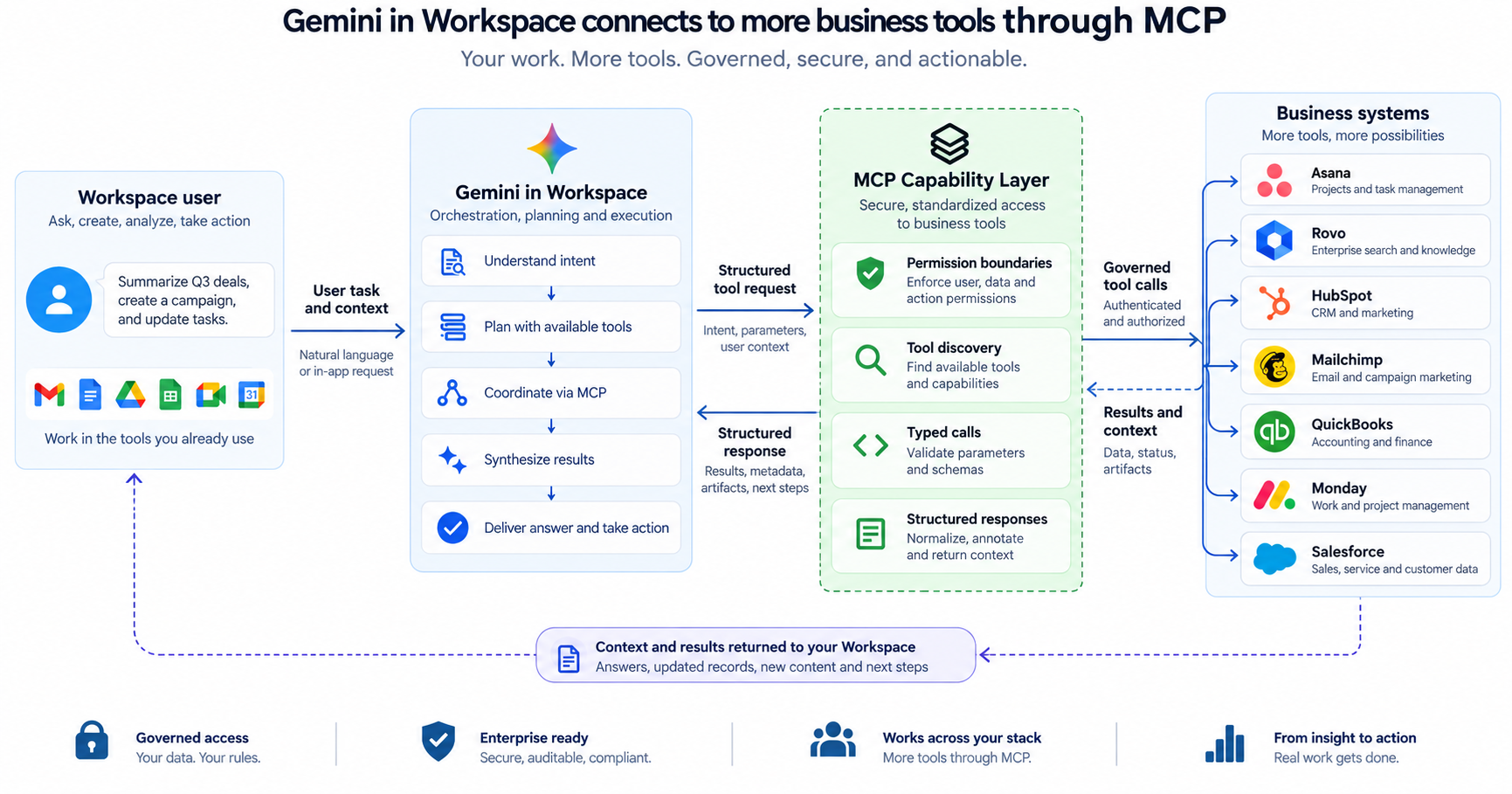
Summary: Salesforce's Dreamforce coverage emphasizes enterprise deployments where AI agents participate in customer and employee workflows, reflecting a broader move from isolated assistants toward systems that act across business processes.
Why it matters: For knowledge workers, the adoption question is becoming operational: which steps can an agent execute, what data and tools can it access, where does human approval sit, and how are outcomes measured. Workflow design is becoming more important than feature count.
What to do now — Redesign one workflow around outcomes: Choose one repeatable business process and define agent actions, data access, approval points, exceptions, and measurable outcomes.
Source: Dreamforce 2026 Live: enterprise AI highlights and customer workflows
5. Agent evaluation is moving from tool-call scores to full task completion
Focus: Technical AI Engineering
Date: September 21, 2026
Topics: agent evaluation, tool use, task completion, AI reliability
Evidence: Official Announcement
Availability: Published
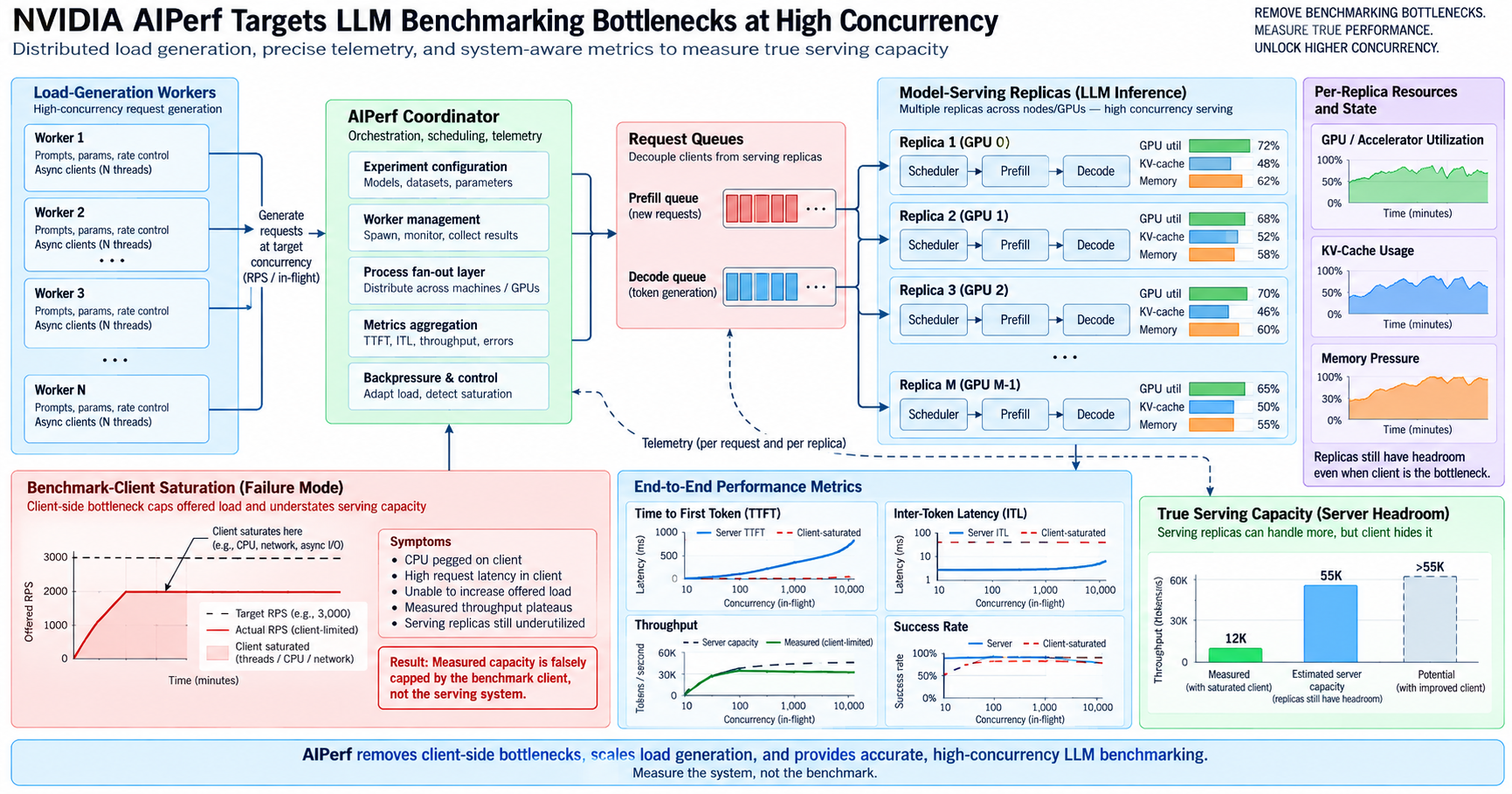
Summary: NVIDIA describes an evaluation approach that tests whether agents complete multi-step work in executable environments, tracking state across sequences of tool calls instead of judging isolated function invocations.
Why it matters: An agent can make individually valid tool calls and still fail the job. Production evaluation therefore needs end-to-end task outcomes, environment state, recovery behavior, and repeatability—not only model-level or single-call accuracy.
What to do now — Add end-to-end agent tests: Create representative tasks with executable environments and score completion, state changes, recovery, and final outcomes rather than isolated calls.
Source: How to Evaluate AI Agents From Tool Calls to Task Completion
6. AI-assisted ROS 2 optimization targets zero-copy GPU data paths
Focus: Technical AI Engineering
Date: September 22, 2026
Topics: robotics, AI-assisted development, GPU acceleration, ROS 2
Evidence: Official Announcement
Availability: Published
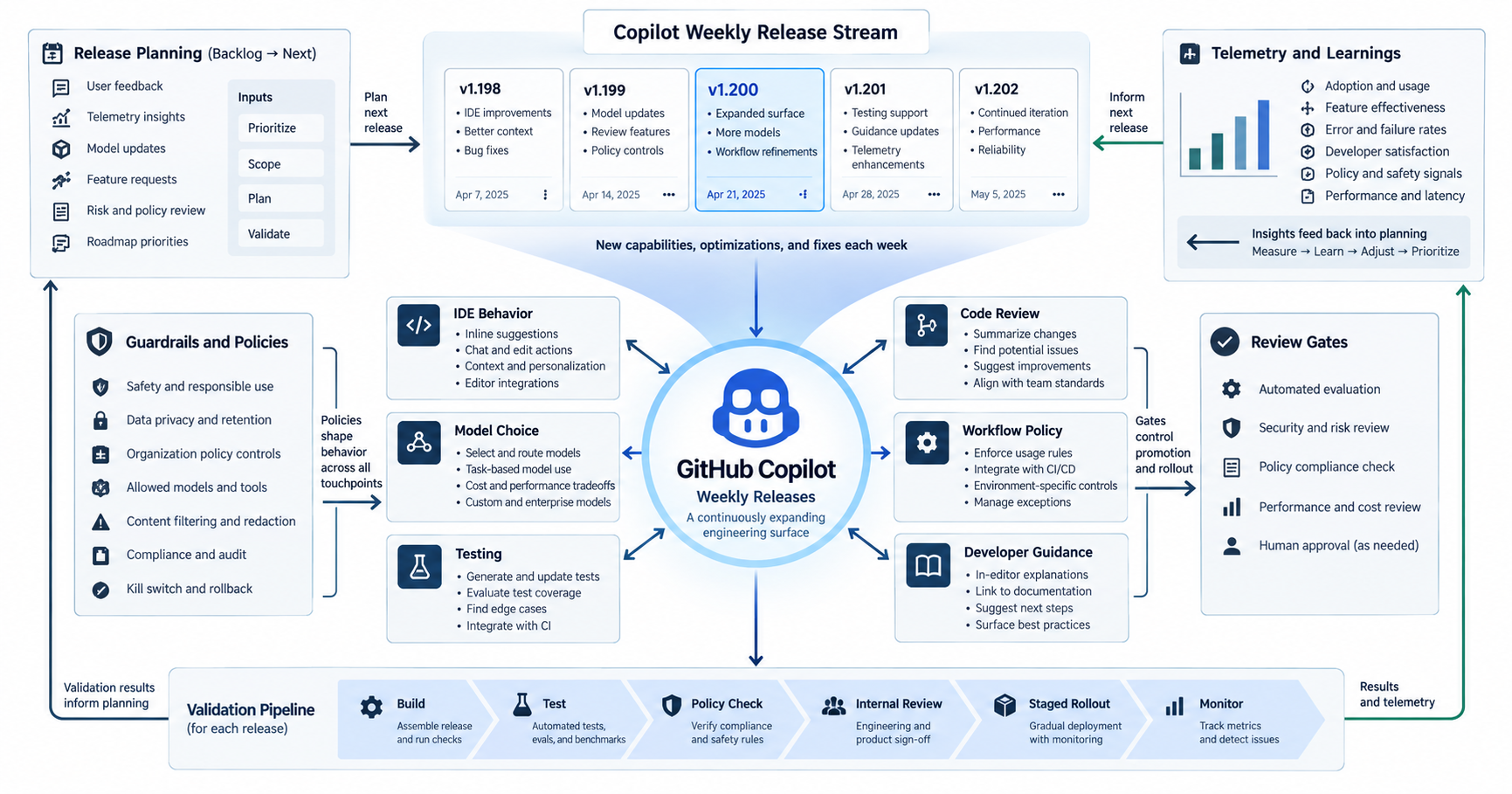
Summary: NVIDIA shows how an AI agent can help accelerate a ROS 2 node using Isaac ROS, including GPU-resident buffers and zero-copy transport when runtime conditions permit while preserving standard ROS 2 message and node boundaries.
Why it matters: AI-assisted development is increasingly reaching systems code and performance engineering. The useful pattern is not simply generating CUDA code; it is reasoning across data movement, runtime constraints, interfaces, and verification so optimization survives in the full graph.
What to do now — Measure the full data path: When using AI to optimize performance code, benchmark memory movement and end-to-end graph behavior, not only the generated kernel.
Source: Accelerating a ROS 2 Node with an AI Agent and NVIDIA Isaac ROS
Worth Watching
7. General
Codex's NEW A2A Communication & Crazy NEW UPDATES: You don't know about these SECRET UPDATES!
Open the permanent video page
Channel: AICodeKing
Date: September 21, 2026
Runtime: 5:06
Format: Video
Summary: A concise walkthrough of current Codex task coordination, context management, worktrees, site tools, and live terminal interaction.
Why it matters: Extends today's engineering coverage from agent evaluation into practical coding-agent orchestration and workflow controls.
Source: Watch on YouTube
8. Agents for Everyone
Harness Arena (Fully Tested): This NEW Benchmark TESTED Every AGENT HARNESS (which is the best?)
Open the permanent video page
Channel: AICodeKing
Date: September 21, 2026
Runtime: 6:13
Format: Video
Summary: A six-minute look at comparing agent harnesses on the same tasks and models using recorded runs and blind judging.
Why it matters: Pairs directly with today's agent-evaluation story by showing why the surrounding harness can materially change task outcomes.
Source: Watch on YouTube
Worth Listening — Podcasts
9. AI's new Muse
Open the permanent podcast page
Show: Reuters Morning Bid
Host / guest: Reuters
Focus: Applied Generative AI for Knowledge Workers
Date: September 22, 2026
Duration: Not independently verified · No episode time limit
Topics: AI assistants, agentic commerce, enterprise AI, markets
Summary: Reuters examines the market response to Meta's new AI assistant Muse and the broader implications of increasingly agentic consumer and business interfaces.
Why it matters: It adds a market and adoption lens to today's technical and workflow-focused Brief.
Connection to the brief: Complements the enterprise-workflow stories by showing how agentic interfaces are beginning to affect platform strategy and user behavior.
Coverage: Current-day source-diverse podcast selection.
Evidence: Practitioner analysis. Reuters verifies the September 22 publication date; runtime is intentionally left unpinned where a reliable duration could not be independently confirmed.
Listen / watch: Reuters
10. AI Doom Backlash Arrives, Anthropic & OpenAI IPO Outlook, Frontier Business Momentum Slows
Open the permanent podcast page
Show: Big Technology Podcast
Host / guest: Alex Kantrowitz
Focus: Applied Generative AI for Knowledge Workers
Date: September 19, 2026
Duration: 67:57 · No episode time limit
Topics: AI safety, frontier labs, AI economics, governance
Summary: Alex Kantrowitz and Ranjan Roy discuss recent AI-risk claims, frontier-lab economics, IPO expectations, transparency, and signs that AI business momentum may be changing.
Why it matters: The episode adds a business and governance lens to the operational engineering changes covered elsewhere in the Brief.
Connection to the brief: Pairs with today’s production-maturity focus by asking what accountability, economics, and evidence should look like as AI systems become more capable.
Coverage: Primary recent podcast window; source-diverse from Reuters Morning Bid.
Evidence: Practitioner analysis. Independent current podcast listings verify the September 19 publication date and a 1:07:57 runtime.
Listen / watch: Tapesearch
Emerging AI Watchlist
1 new today · 2 updated · 13 carried forward.
New today:
- Decision models emerge as a separate AI systems layer
Help choose what we investigate next. Explore emerging ideas and tell us which interest you.
Editorial takeaway
Today’s edition centers on making agents operationally dependable: evaluate complete tasks rather than isolated tool calls, measure full-system performance, redesign knowledge workflows around evidence and human control, package repeatable procedures as Agent Skills, and contain code-running agents with defense-in-depth security.