Daily Generative AI Brief — September 20, 2026
Published: September 20, 2026
Coverage period: 24-hour primary window ending at 2026-09-20T14:15:00.000Z; recency fallback used for reviewed items outside the primary window.
IN THIS EDITION · 6 ARTICLES / 2 VIDEOS / 2 PODCASTS
Choose what matters to your work
- GitHub Copilot weekly releases expand the engineering surfaceArticle · about 5 min source read
- NVIDIA AIPerf targets LLM benchmarking bottlenecks at high concurrencyArticle · about 15 min source read
- Gemini in Workspace connects directly to more business tools through MCPArticle · about 6 min source read
- Atlassian treats content systems as an AI-quality control layerArticle · about 9 min source read
- AWS shows Agent Skills packaging reusable SageMaker deployment workArticle · about 19 min source read
- AWS shows how existing multi-model agents can move into a managed runtimeArticle · about 16 min source read
- NVIDIA PAIR Connects Your Computers for Local AIVideo · 1:06
- Anthropic’s CEO: How to Build a 1 Person Business with ClaudeVideo · 11:40
- Inside China's AI racePodcast
- AI Doom Backlash Arrives, Anthropic & OpenAI IPO Outlook, Frontier Business Momentum SlowsPodcast
1. AWS shows Agent Skills packaging reusable SageMaker deployment work
Focus: Agents for Everyone
Date: September 18, 2026
Topics: Agent Skills, reusable workflows, SageMaker, coding agents
Evidence: Official Announcement
Availability: Published
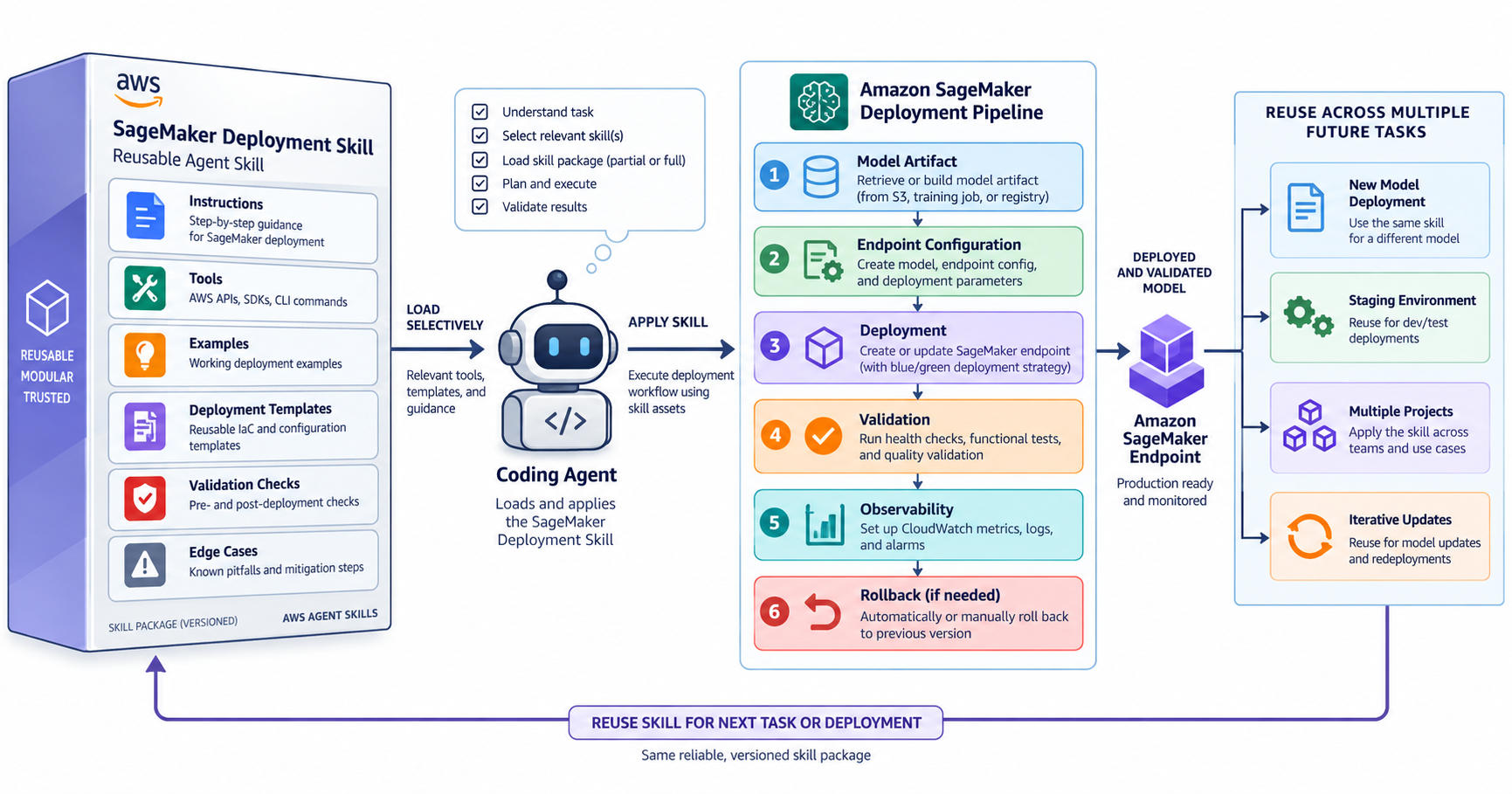
Summary: AWS demonstrates six reusable skills from the Hugging Face Skills repository that coding agents can apply when deploying production-ready Hugging Face models on Amazon SageMaker AI.
Why it matters: Agent Skills turn repeated expert procedures into reusable instructions and tools. Instead of rebuilding deployment knowledge for every task, teams can package a proven method once and let an agent invoke it when the situation matches.
What to do now — Package one repeatable skill: Choose a recurring multi-step task with stable expert guidance and turn its instructions, checks, and examples into a reusable skill rather than another one-off prompt.
Source: Deploy Hugging Face models on Amazon SageMaker AI with coding agents
2. AWS shows how existing multi-model agents can move into a managed runtime
Focus: Agents for Everyone
Date: September 18, 2026
Topics: agents, managed runtime, AgentCore, operations
Evidence: Official Announcement
Availability: Published
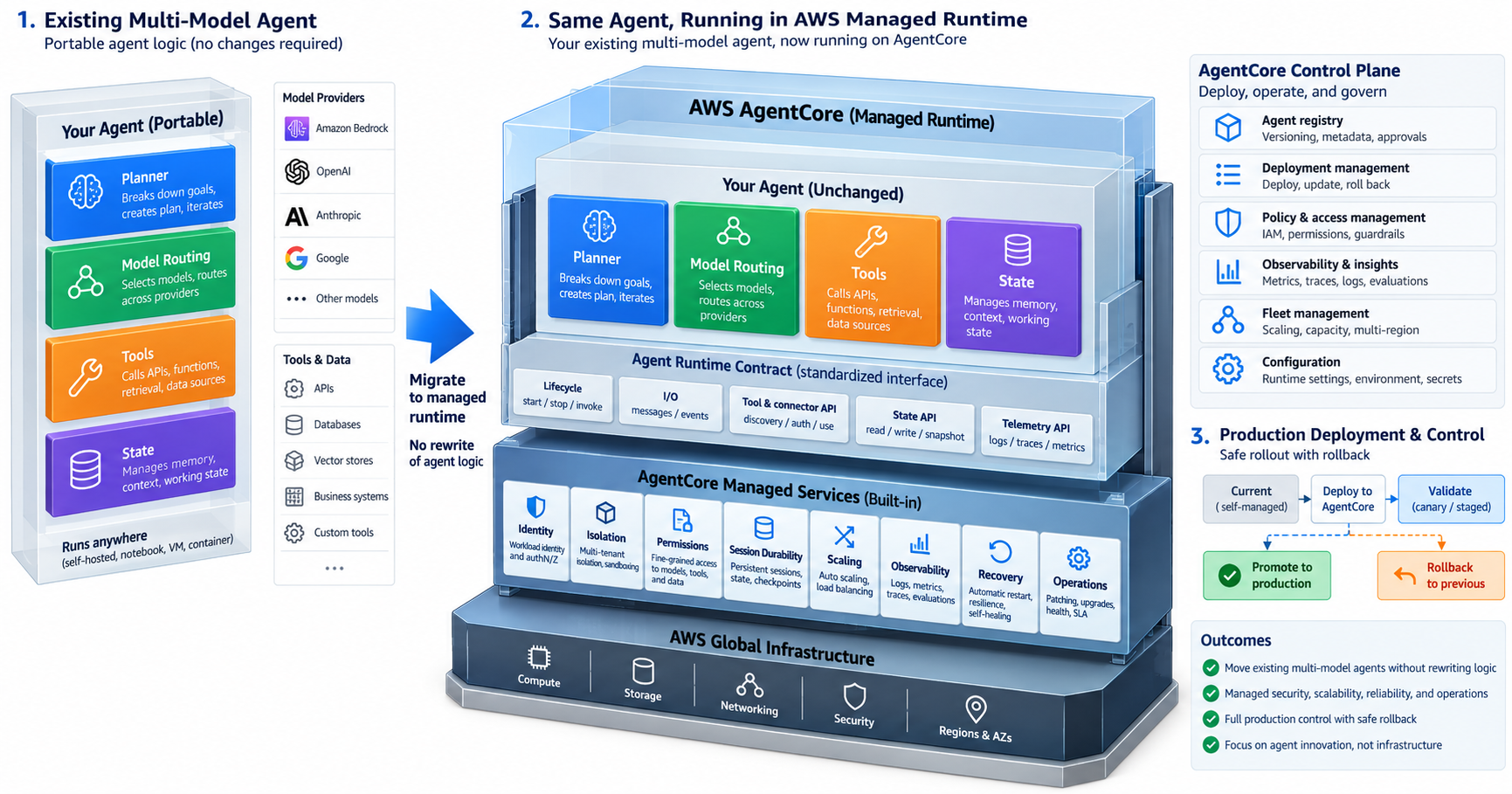
Summary: AWS describes migrating a multi-model healthcare AI agent to Amazon Bedrock AgentCore runtime while preserving the agent’s model choices and behavior and moving execution into managed agent infrastructure.
Why it matters: For non-technical leaders, the pattern is important: as agents move from experiments into persistent business processes, the surrounding runtime—identity, isolation, scaling, observability, and operations—becomes as important as the model itself.
What to do now — Separate agent logic from runtime: Document which parts of an agent belong to its task logic versus the infrastructure needed for identity, scaling, monitoring, and safe production operation.
Source: Migrating multi-model AI agents to Amazon Bedrock AgentCore runtime
3. Gemini in Workspace connects directly to more business tools through MCP
Focus: Applied Generative AI for Knowledge Workers
Date: September 18, 2026
Topics: Gemini, Google Workspace, MCP, knowledge work
Evidence: Official Announcement
Availability: Published
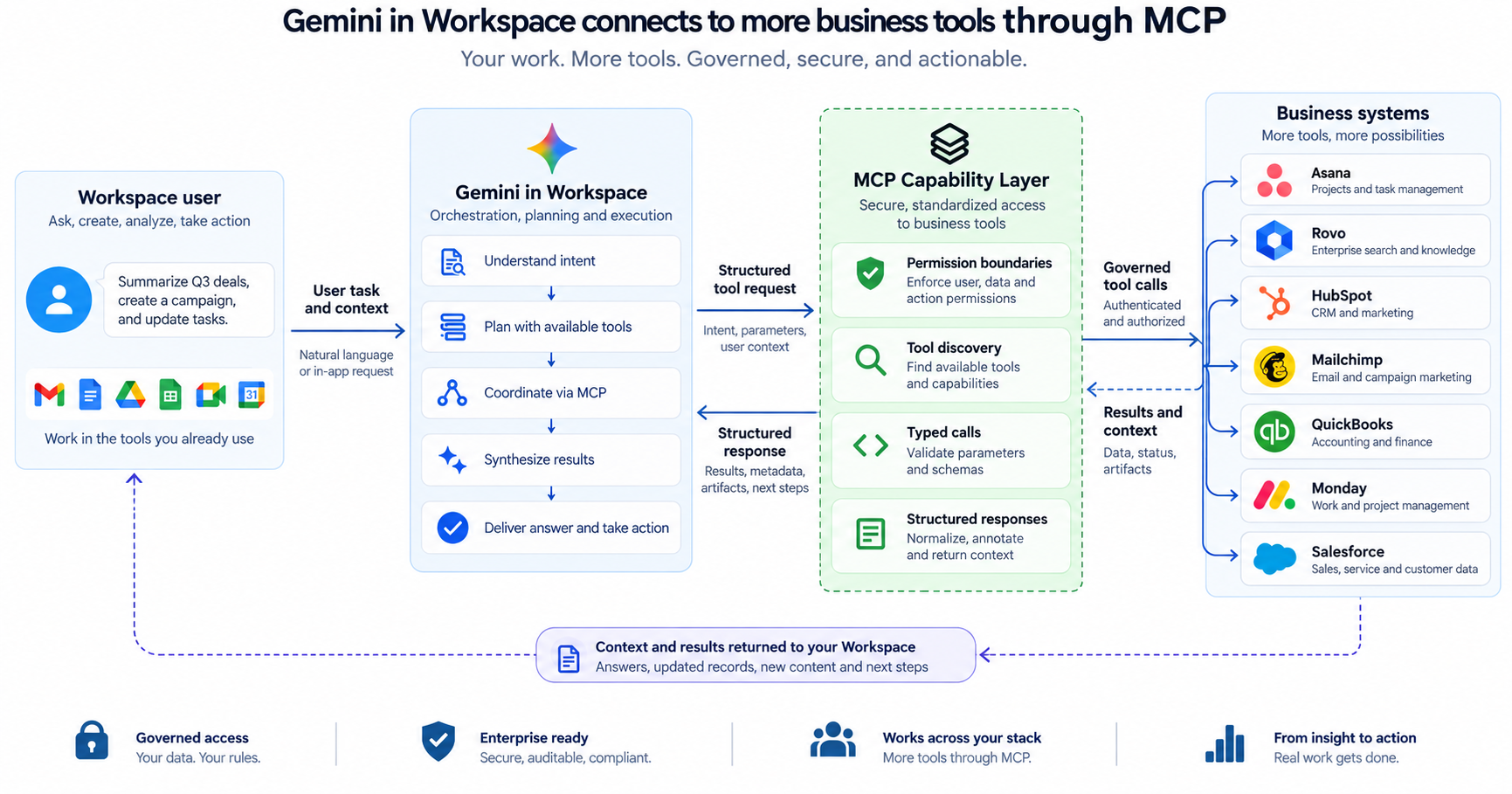
Summary: Google’s September 18 Workspace recap says Gemini in Workspace can directly interact with services including Asana, Atlassian Rovo, HubSpot, Mailchimp, QuickBooks, Monday, and Salesforce through Model Context Protocol integrations.
Why it matters: For knowledge workers, the value is less tab-switching and fewer manual handoffs: an assistant can retrieve or act on business information inside the flow of work rather than requiring users to shuttle context between systems.
What to do now — Map high-value Workspace connections: Identify one or two systems where eliminating copy-and-paste context transfer would materially improve a recurring knowledge-work process.
Source: Google Workspace Weekly Recap - September 18, 2026
4. Atlassian treats content systems as an AI-quality control layer
Focus: Applied Generative AI for Knowledge Workers
Date: September 18, 2026
Topics: AI quality, content systems, knowledge management, enterprise AI
Evidence: Official Announcement
Availability: Published
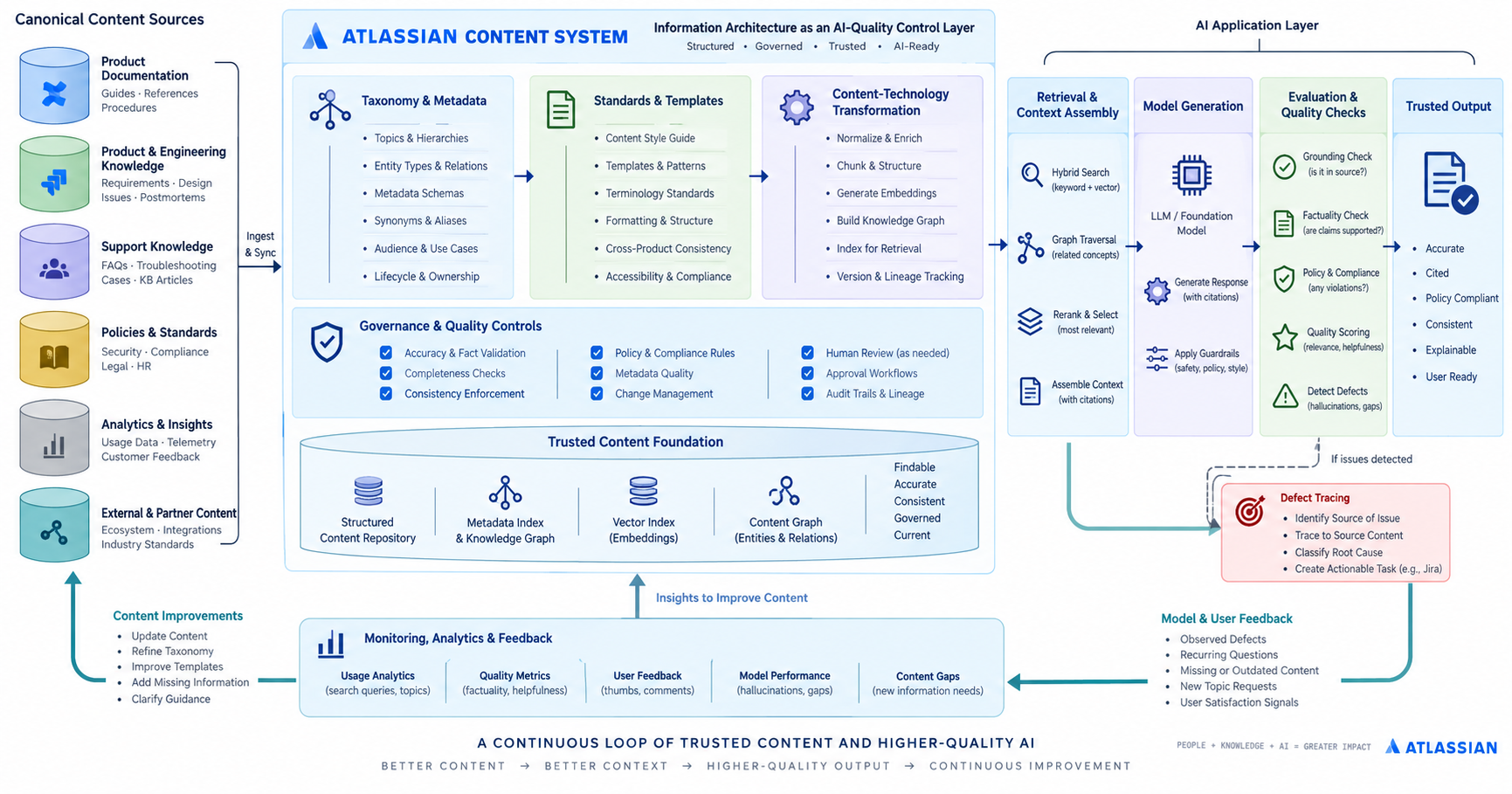
Summary: Atlassian describes Content Technologists as building systems, standards, and information structures that help its AI products produce better outputs instead of relying on model capability alone.
Why it matters: For organizations deploying generative AI, output quality often depends on the surrounding information architecture: structured content, clear standards, reusable patterns, and evaluation practices can improve reliability without changing the underlying model.
What to do now — Treat content as AI infrastructure: Document the standards, structures, and reusable content patterns that your AI systems should rely on before trying to solve every quality issue with a different model.
Source: How Content Technology is powering Atlassian’s AI quality
5. GitHub Copilot weekly releases expand the engineering surface
Focus: Technical AI Engineering
Date: September 18, 2026
Topics: Copilot, developer workflow, release management
Evidence: Official Announcement
Availability: Published
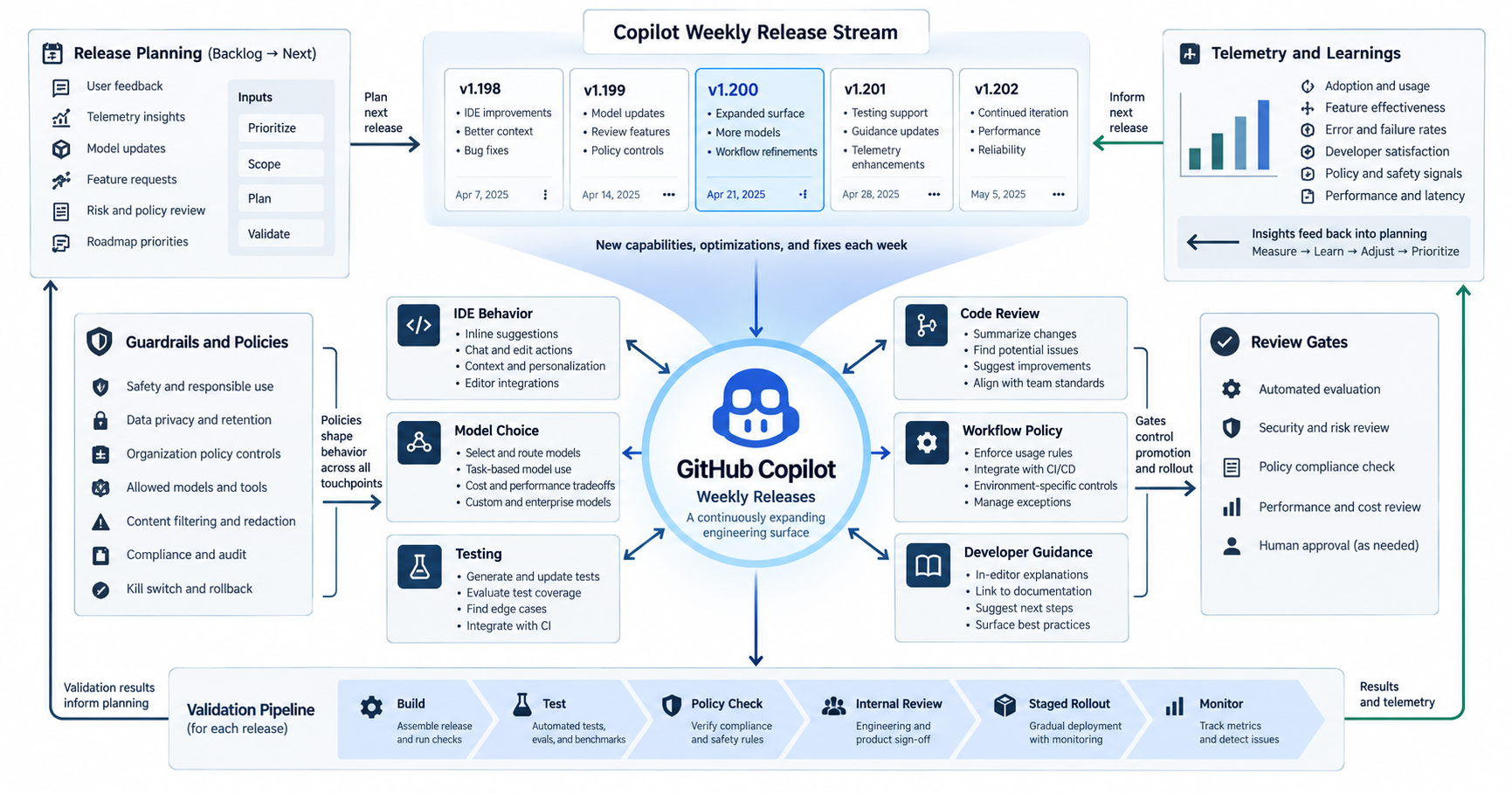
Summary: GitHub’s September 14 weekly Copilot release roundup groups several developer-facing changes across Copilot experiences and VS Code, giving engineering teams a compact view of the latest product surface they need to evaluate.
Why it matters: A recurring release cadence means teams need a lightweight operating practice for reviewing Copilot changes, deciding which ones affect local workflows, and updating guidance before new behavior surprises developers.
What to do now — Review this week’s Copilot changes: Compare the new Copilot and VS Code changes with current engineering guidance and identify anything that needs testing or documentation updates.
Source: GitHub Copilot weekly releases — September 14
6. NVIDIA AIPerf targets LLM benchmarking bottlenecks at high concurrency
Focus: Technical AI Engineering
Date: September 18, 2026
Topics: LLM inference, benchmarking, performance engineering
Evidence: Official Announcement
Availability: Published
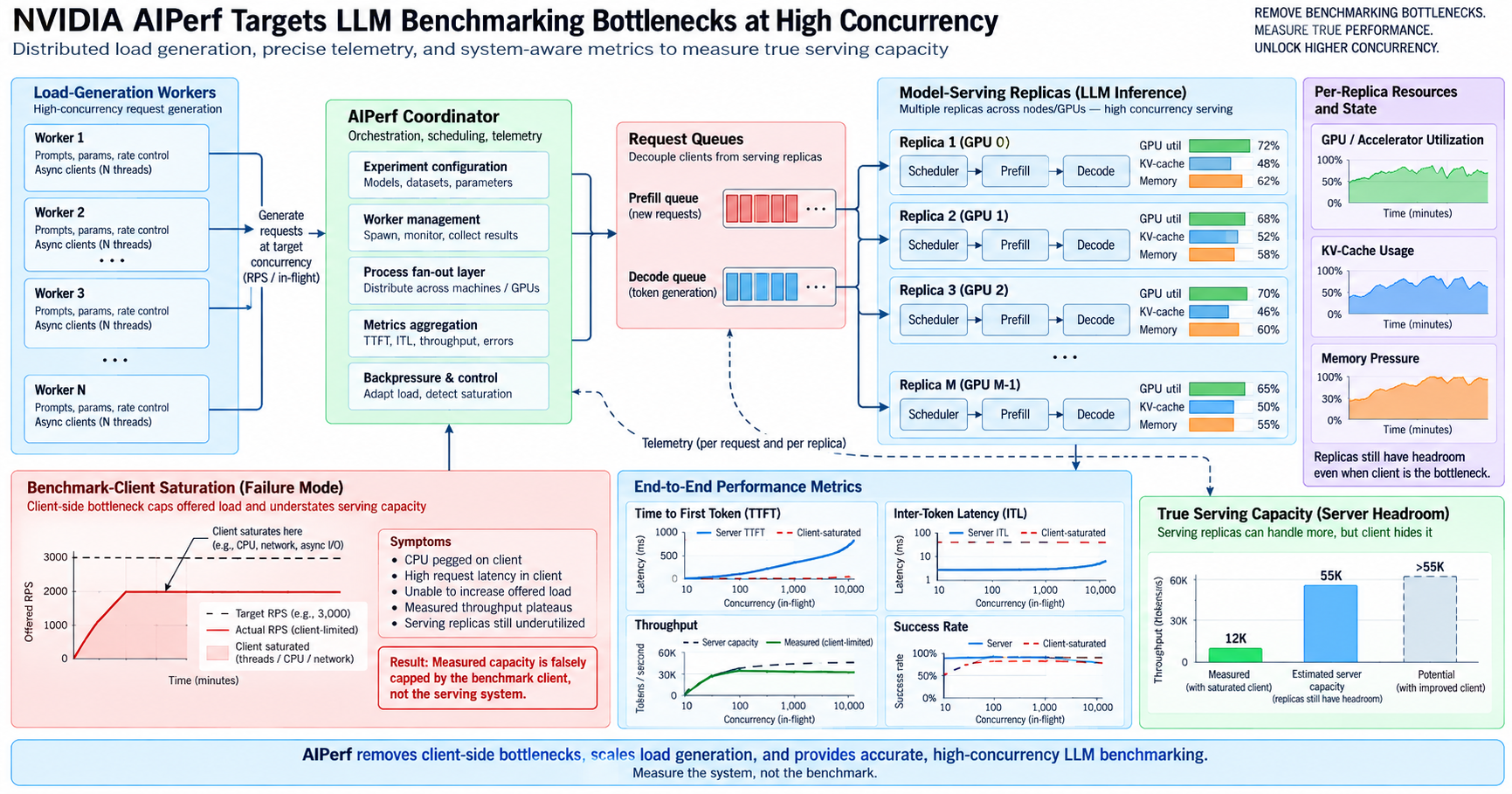
Summary: NVIDIA introduced AIPerf as the successor to GenAI-Perf, using a multiprocess architecture intended to prevent the benchmark client itself from becoming the bottleneck during high-concurrency LLM inference tests.
Why it matters: When benchmarking tools saturate before the model-serving stack does, engineering teams can draw the wrong conclusions about capacity. A benchmark designed for larger concurrency makes infrastructure tuning and deployment comparisons more trustworthy.
What to do now — Recheck inference benchmarks: If current load tests approach client-side limits, compare AIPerf with the existing harness before using benchmark results for capacity decisions.
Source: Benchmarking LLM Inference at Scale with AIPerf
Worth Watching
7. General
NVIDIA PAIR Connects Your Computers for Local AI
Open the permanent video page
Channel: Matthew Berman
Date: September 20, 2026
Runtime: 1:06
Format: Video
Summary: A one-minute look at software that links multiple local computers so AI workloads can share compute across machines.
Why it matters: Pairs with the AIPerf story by showing inference infrastructure becoming more distributed and workload-aware.
Source: Watch on YouTube
8. Agents for Everyone
Anthropic’s CEO: How to Build a 1 Person Business with Claude
Open the permanent video page
Channel: Nate Herk | AI Automation
Date: September 20, 2026
Runtime: 11:40 · Longer selection today: no suitable video of 10 minutes or less was found.
Format: Video
Summary: A practical 11-minute look at how Claude can support a highly automated one-person business, including where AI can absorb repeatable work around software, sales, and support.
Why it matters: It complements today’s Agent Skills and managed-runtime stories by showing the user-facing end state: a small operation built around reusable AI workflows rather than one-off chats.
Source: Watch on YouTube
Worth Listening — Podcasts
9. Inside China's AI race
Open the permanent podcast page
Show: Reuters On Assignment
Host / guest: Reuters
Focus: Technical AI Engineering
Date: September 19, 2026
Duration: 22:26 · No episode time limit
Topics: AI competition, chips, distillation, AI safeguards
Summary: Reuters correspondents examine China’s AI industry, including deployment strategy, chip access, distillation, export controls, and the difficulty of comparing national AI progress.
Why it matters: It gives readers a broader systems view of AI capability and infrastructure beyond individual model releases.
Connection to the brief: Complements today’s engineering stories by showing how compute, deployment, and policy shape AI systems.
Coverage: Primary 48-hour podcast window; source-diverse from Big Technology Podcast.
Evidence: Practitioner analysis. Reuters verifies the September 19 publication date; an independent listing gives a 22:26 runtime.
Listen / watch: Reuters
10. AI Doom Backlash Arrives, Anthropic & OpenAI IPO Outlook, Frontier Business Momentum Slows
Open the permanent podcast page
Show: Big Technology Podcast
Host / guest: Alex Kantrowitz
Focus: Applied Generative AI for Knowledge Workers
Date: September 19, 2026
Duration: 67:57 · No episode time limit
Topics: AI safety, frontier labs, AI economics, governance
Summary: Alex Kantrowitz and Ranjan Roy discuss the backlash to recent AI-risk claims, frontier-lab economics, IPO expectations, transparency, and signs that AI business momentum may be changing.
Why it matters: The episode adds a business and governance lens to the operational engineering changes covered elsewhere in the brief.
Connection to the brief: Pairs with today’s focus on production maturity by asking what accountability, economics, and evidence should look like as AI systems become more capable.
Coverage: Primary 48-hour podcast window; source-diverse from Reuters On Assignment.
Evidence: Practitioner analysis. Independent podcast listings identify the episode as September 19, 2026 with a 1:07:57 runtime.
Listen / watch: Tapesearch
Emerging AI Watchlist
0 new today. No new Watchlist item cleared the September 20 publication gate; existing monitored topics remain available below.
Help choose what we investigate next. Explore emerging ideas and tell us which interest you.
Editorial takeaway
Today’s edition is about the systems around AI: recurring release review, trustworthy performance measurement, connected knowledge-work tools, content-quality controls, reusable Agent Skills, and managed runtimes for production agents.