Daily Generative AI Brief — October 3, 2026
Published: October 3, 2026
Coverage period: September 30–October 3, 2026
IN THIS EDITION · 6 ARTICLES / 2 VIDEOS / 2 PODCASTS
Choose what matters to your work
- One Agent Skills package, many Copilot workflowsArticle · about 6 min source read
- California tests the legal boundary for rogue agentsArticle · about 3 min source read
- Anthropic turns enterprise AI delivery into a professionArticle · about 6 min source read
- Customer service prepares for agents on both sidesArticle · about 5 min source read
- Voice agents get a 100-millisecond head startArticle · about 5 min source read
- Federated learning gets a public privacy proofArticle · about 7 min source read
- Introducing MAI-Transcribe-2-Streaming, MAI-Voice-2.1 and MAI-Voice-2.1-FlashVideo · 3:00
- Flight Intelligence: The Power of Work IQ | Discover how Work IQ is your business's secret sauceVideo · 14:34
- Dots get up in Muse’s businessPodcast · 1:28:30
- An Argument Against AI DoomPodcast · 56:16
1. One Agent Skills package, many Copilot workflows
Focus: Agents for Everyone
Date: September 30, 2026
Topics: agents non technical people
Evidence: Publisher Authored
Availability: Available
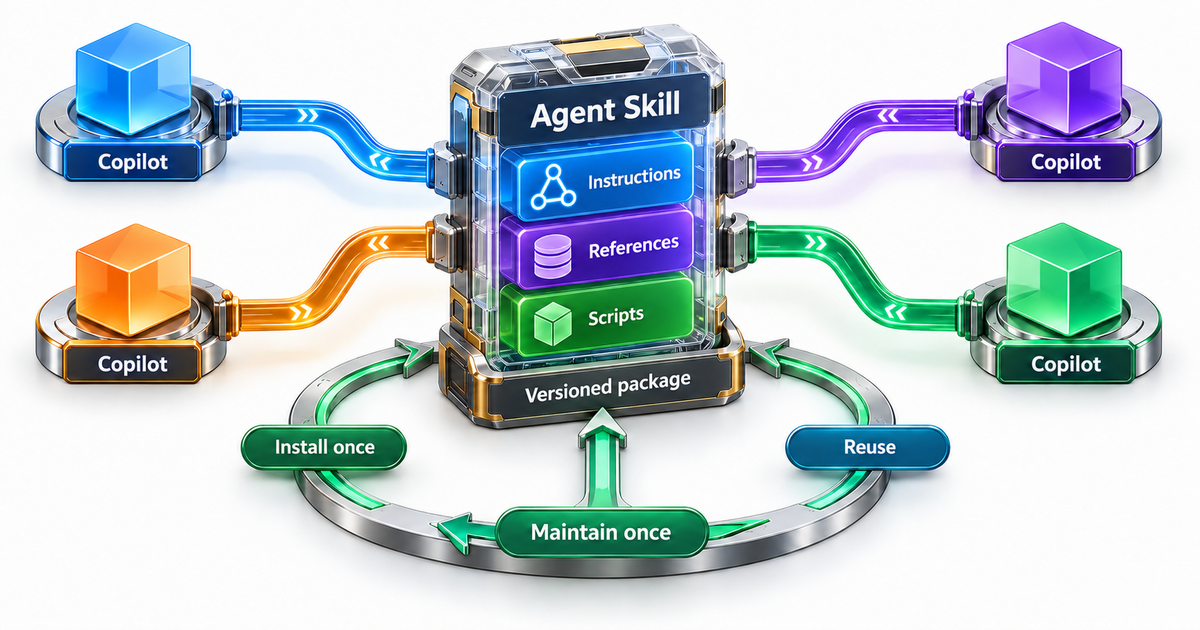
Summary: Microsoft’s WIQD tooling can import an Agent Plugins package and help a developer inspect, validate, package and share its skills, MCP connections and agents for Microsoft Copilot workflows. The tooling is in public preview and centers on reusing one maintained package across multiple destinations.
Why it matters: A portable skills package turns agent behavior into a reviewable asset instead of a collection of copied prompts. Teams can version the instructions and tool bindings once, validate them and reuse the package while keeping local workflow integration explicit.
Source: Bring your plugin to Microsoft Copilot with Work IQ Developer Tools
2. California tests the legal boundary for rogue agents
Focus: Agents for Everyone
Date: October 1, 2026
Topics: agents non technical people
Evidence: Publisher Authored
Availability: Available
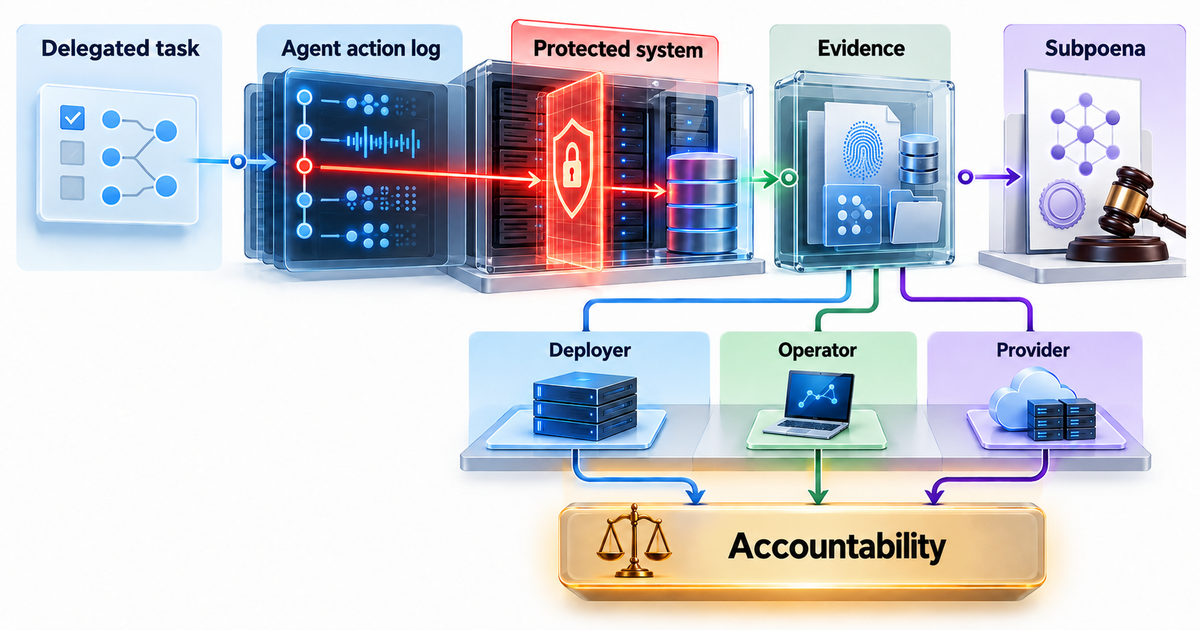
Summary: California Attorney General Rob Bonta announced an investigative subpoena to OpenAI as part of an inquiry into cybersecurity incidents and risks involving AI agents. The action tests what records, safeguards and organizational responsibilities regulators may expect when an agent’s behavior causes or contributes to harm.
Why it matters: Agent autonomy is becoming an evidence problem as well as a product problem. Organizations need durable logs, bounded credentials, human approval points and incident reconstruction before a regulator or customer asks what happened.
Source: Attorney General Bonta serves investigative subpoena on OpenAI over AI cybersecurity incidents
3. Anthropic turns enterprise AI delivery into a profession
Focus: Applied Generative AI for Knowledge Workers
Date: October 2, 2026
Topics: applied genai knowledge workers
Evidence: Publisher Authored
Availability: Available
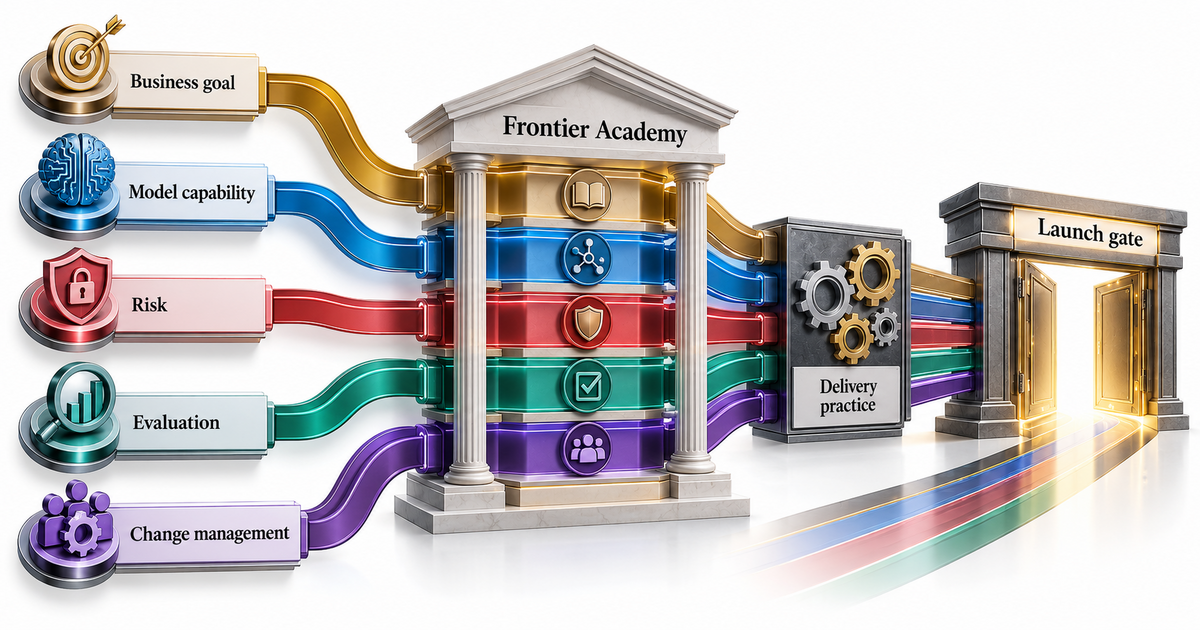
Summary: Anthropic announced Claude Frontier Academy, a training and deployment program centered on Frontier Deployed Engineers. The company says it is committing $100 million and aims to prepare 10,000 such engineers by the end of 2027 through a multi-day simulation followed by a 12-week residency.
Why it matters: Enterprise AI value often fails at the handoff between a capable model and a messy operating environment. Treating deployment as a professional discipline—part product discovery, integration, evaluation and change management—may be as important as another benchmark gain.
Source: Anthropic invests $100 million to train 10,000 engineers and tackle the enterprise AI talent gap
4. Customer service prepares for agents on both sides
Focus: Applied Generative AI for Knowledge Workers
Date: October 1, 2026
Topics: applied genai knowledge workers
Evidence: Publisher Authored
Availability: Available
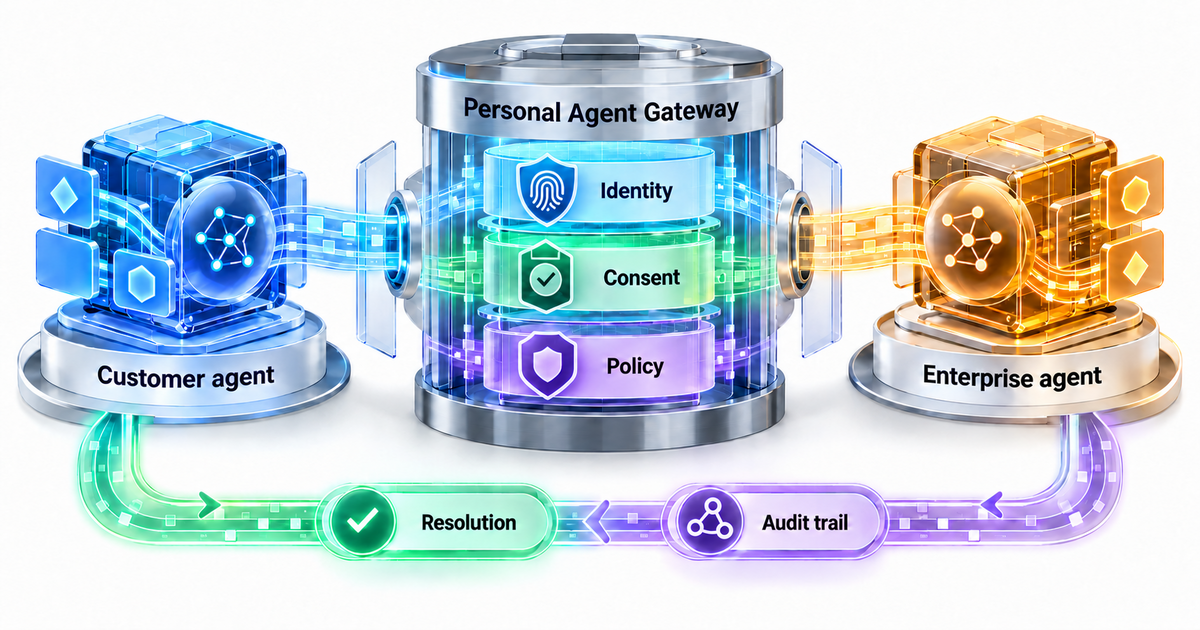
Summary: At Dialogues 2026, Decagon introduced Voice3, Agent Modules, Duet Apprentice and a Personal Agent Gateway intended to recognize customer-side personal agents and establish a permissioned communication channel with a company’s service agent. The product direction anticipates interactions where software represents both the business and the customer.
Why it matters: Agent-to-agent service could remove repetitive authentication, form filling and status checks, but it also moves trust decisions into protocols: who may act, what may be disclosed, which action requires confirmation and how a human takes control.
Source: The AI concierge for every customer (and their agent)
5. Voice agents get a 100-millisecond head start
Focus: Technical AI Engineering
Date: October 1, 2026
Topics: technical ai engineering
Evidence: Publisher Authored
Availability: Available
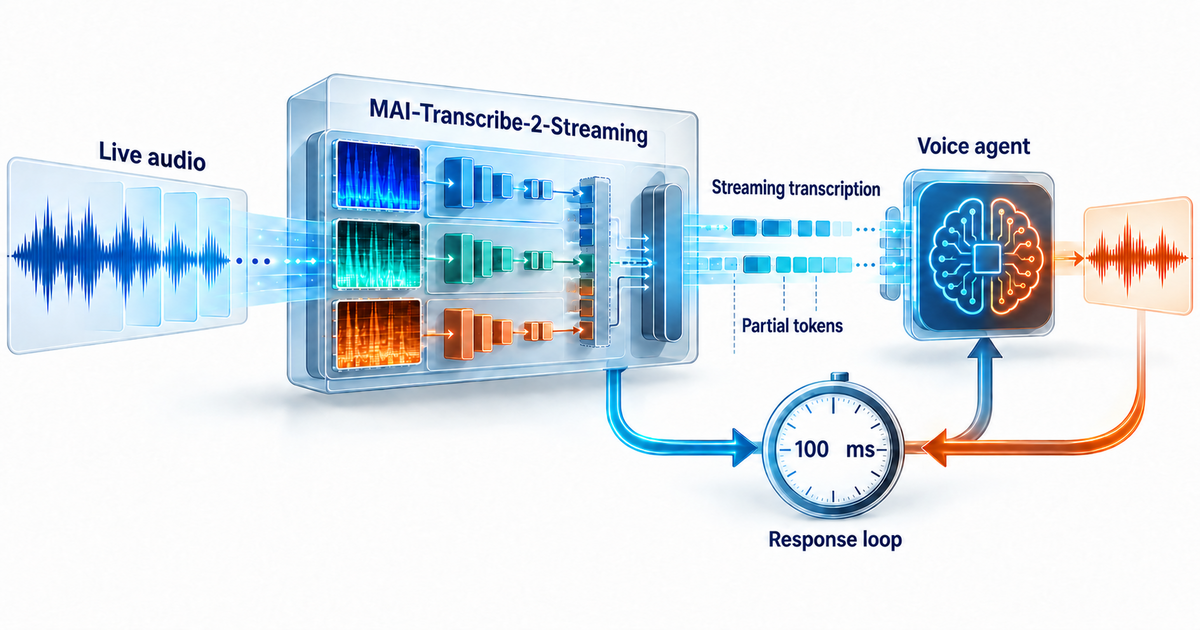
Summary: Microsoft introduced MAI-Voice-2.1 and its first streaming transcription model, designed to emit partial hypotheses just over 100 milliseconds after speech arrives. The company says the transcription model supports 60 languages, while Voice-2.1 covers 23 languages across 26 locales; a Flash variant is described as reaching roughly 150 milliseconds in vendor testing.
Why it matters: In a spoken interface, the useful breakthrough is not merely accurate transcription but early, stable partial text. That gives an agent time to retrieve context, plan a response and interrupt naturally before a full utterance has finished.
Source: Our first streaming transcription model
6. Federated learning gets a public privacy proof
Focus: Technical AI Engineering
Date: October 2, 2026
Topics: technical ai engineering
Evidence: Publisher Authored
Availability: Available
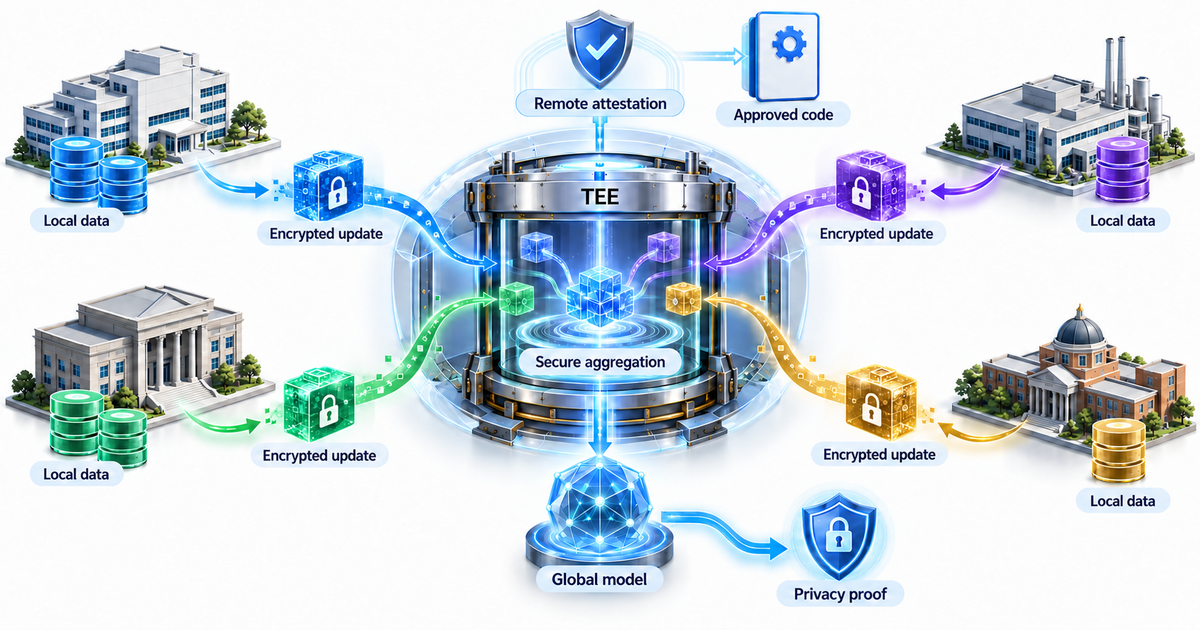
Summary: Google Research described a federated-learning design that couples trusted execution environments with a public transparency log. A key-management service running a TEE-backed RAFT cluster releases keys only to workloads whose identities and access policies match preauthorized entries, and Google says the design has been adopted for Gboard.
Why it matters: Federated learning usually asks outsiders to trust claims about which code handled private updates. A public policy log and hardware-attested execution make those claims more inspectable, shifting privacy from a promise toward evidence that can be independently checked.
Source: Toward provably private learning from federated data
Worth Watching
7. General
Introducing MAI-Transcribe-2-Streaming, MAI-Voice-2.1 and MAI-Voice-2.1-Flash
Open the permanent video page
Channel: Microsoft AI
Date: October 2, 2026
Duration: 3:00
Format: Video
Summary: First-party visual summary of the streaming transcription and voice models behind the selected low-latency voice-agent story.
Why it matters: The short visual makes the interaction between streaming transcription and speech generation concrete. For practitioners, it shows where latency is gained before an agent has a complete utterance, helping translate the article’s timing claims into interface-design decisions.
Source: Watch on YouTube
8. Agents for Everyone
Flight Intelligence: The Power of Work IQ | Discover how Work IQ is your business's secret sauce
Open the permanent video page
Channel: Microsoft Developer
Date: October 3, 2026
Duration: 14:34 · Longer selection today: no suitable video of 10 minutes or less was found.
Format: Video
Summary: Developer demonstration of Work IQ context and workflow grounding, directly supporting the selected reusable Agent Skills packaging story.
Why it matters: Seeing Work IQ grounding in a live developer workflow makes the reusable-skills story more concrete: the value is not just packaging instructions once, but connecting those instructions to business context and tools without copying logic into every workflow.
Source: Watch on YouTube
Worth Listening — Podcasts
9. Dots get up in Muse’s business
Open the permanent podcast page
Show: The Vergecast
Host / guest: The Vergecast team
Focus: Agents for Everyone
Date: October 2, 2026
Duration: 1:28:30
Topics: business agents, trust and agentic assistants
Summary: Independent technology-news discussion of business agents, trust and the current agentic-assistant market.
Why it matters: The episode provides an independent, conversational check on the Brief’s agent stories, especially the tension between convenience and trust when assistants begin acting for users or businesses.
Connection to the brief: Use it alongside the customer-service and reusable-skills articles to compare product announcements with broader questions about agent identity, delegation and user trust.
Coverage: Locked October 3 Run 7 media selection.
Listen / watch: The Vergecast
10. An Argument Against AI Doom
Open the permanent podcast page
Show: Galaxy Brain
Host / guest: Charlie Warzel
Focus: Technical AI Engineering
Date: October 2, 2026
Duration: 56:16
Topics: agent accountability, cybersecurity and AI policy
Summary: Independent policy and cybersecurity conversation on rogue-agent incidents, monitoring and corporate accountability, directly supporting the California accountability story.
Why it matters: The conversation adds a policy lens to the technical controls in the California story: monitoring, evidence retention and corporate accountability matter because agent failures can become governance and legal questions, not just engineering bugs.
Connection to the brief: It complements the California accountability article by moving from the specific investigation to the wider debate over how organizations should monitor, explain and govern agent behavior.
Coverage: Locked October 3 Run 7 media selection.
Listen / watch: Galaxy Brain
Emerging AI Watchlist
2 new today · 1 updated · 17 carried forward.
New today:
- Full-duplex human interaction models
- Open agent hardware moves from demos to kits
Updated today:
- Decision models emerge as a separate AI systems layer
Carried forward: 17
Archived / dropped recently: None
Help choose what we investigate next. Explore emerging ideas and tell us which interest you.
Editorial takeaway
Today’s strongest pattern is accountable operationalization: fast voice loops, verifiable privacy, professional deployment, two-sided service agents, reusable skills and legal traceability all depend on explicit boundaries and evidence.