Daily Generative AI Brief — October 2, 2026
Published: October 2, 2026
Coverage period: September 29–October 1, 2026
IN THIS EDITION · 6 ARTICLES / 2 VIDEOS / 2 PODCASTS
Choose what matters to your work
- Gemini Skills turn repeated prompting into reusable work modulesArticle · about 3 min source read
- Meta Muse brings skills, connectors, and approval boundaries to small-business agentsArticle · about 8 min source read
- Stack Internal makes enterprise knowledge provenance machine-readable for AIArticle · about 5 min source read
- Slack MCP Server turns Lists and records into agent-operable workflow objectsArticle · about 3 min source read
- Cohere Embed 5 splits retrieval into Pro and Fast models with one shared spaceArticle · about 2 min source read
- Dogwood moves agent governance into the action sequenceArticle · about 15 min source read
- Microsoft Copilot Just Got a Massive UpgradeVideo · 9:24
- Meet Home in CopilotVideo · 0:20
- DX Today AI Daily Brief - Wednesday, September 30, 2026Podcast
- Morning Brief — Confidence Drop, Venue Access, NFIP Relief, and Agent Payments - September 30, 2026Podcast
1. Gemini Skills turn repeated prompting into reusable work modules
Focus: Agents for Everyone
Date: September 30, 2026
Topics: agents non technical people
Evidence: Publisher Authored
Availability: Available
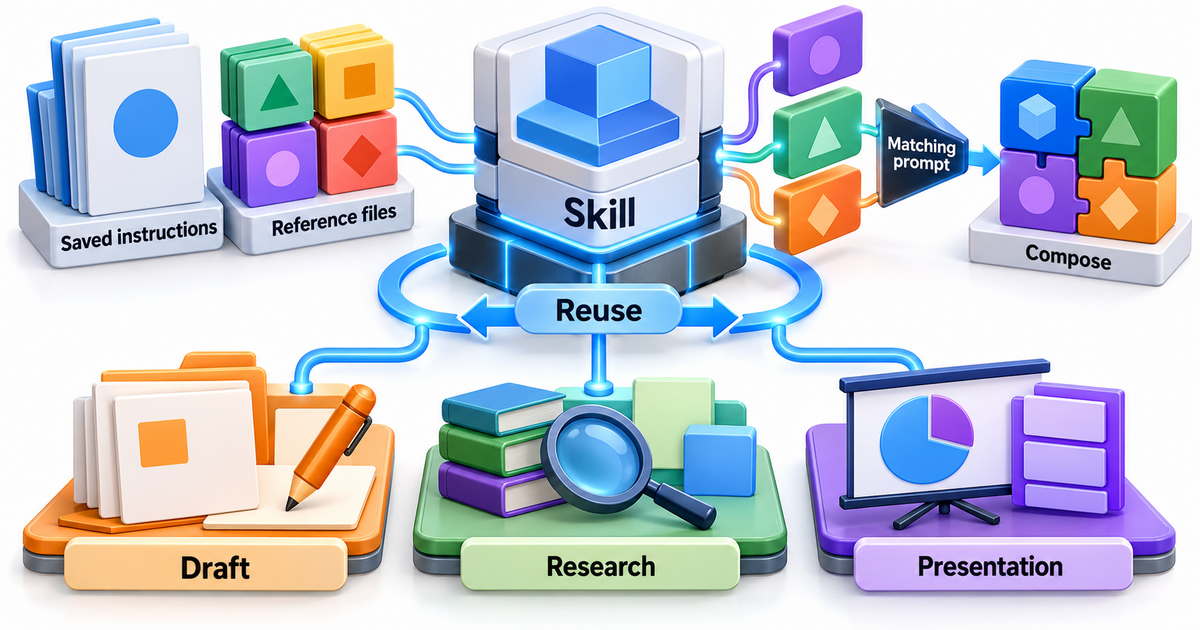
Summary: Google added reusable Skills to Gemini so people can save instructions and reference files, invoke them on matching work, and compose multiple Skills for repeated tasks.
Why it matters: A maintained Skill converts prompt craft into reusable operating knowledge that can be reviewed, shared and improved instead of recreated in every conversation.
Source: Let skills in Gemini tackle your most repetitive tasks
2. Meta Muse brings skills, connectors, and approval boundaries to small-business agents
Focus: Agents for Everyone
Date: September 29, 2026
Topics: agents non technical people
Evidence: Publisher Authored
Availability: Available
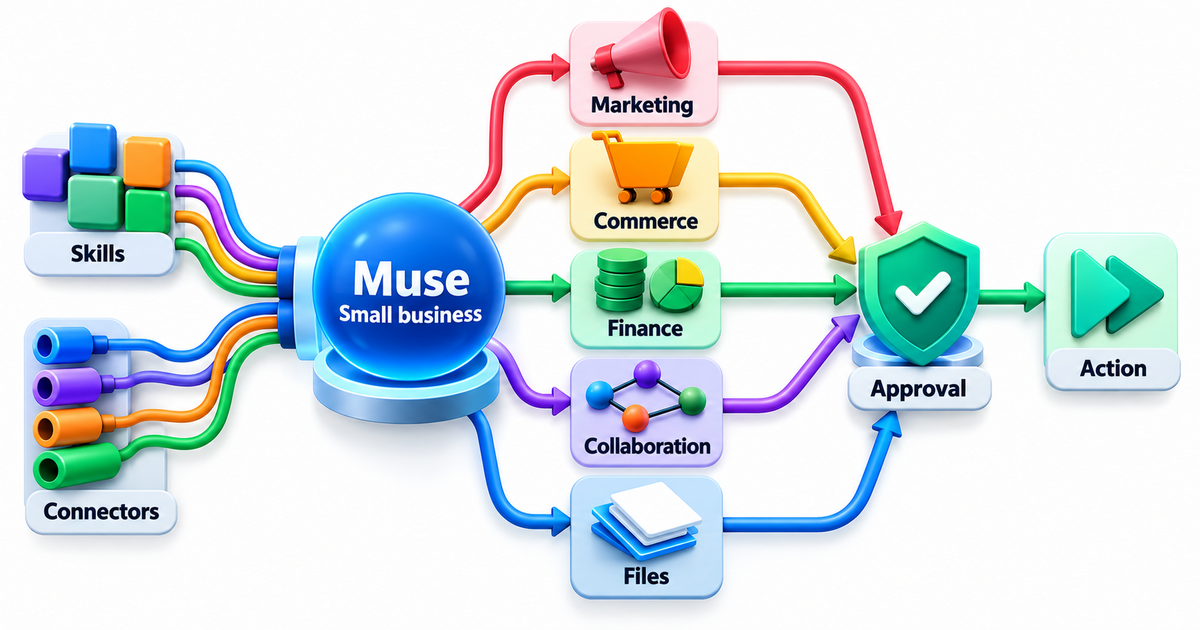
Summary: Meta introduced Muse for Small Business as an agent experience that connects common business systems through reusable skills and connectors while keeping approval boundaries around actions.
Why it matters: For nontechnical teams, the useful agent pattern is not unrestricted autonomy but bounded access to real business tools with explicit human approval before consequential actions.
Source: The Future Is for Everyone: Muse for Small Business
3. Stack Internal makes enterprise knowledge provenance machine-readable for AI
Focus: Applied Generative AI for Knowledge Workers
Date: September 30, 2026
Topics: applied genai knowledge workers
Evidence: Publisher Authored
Availability: Available
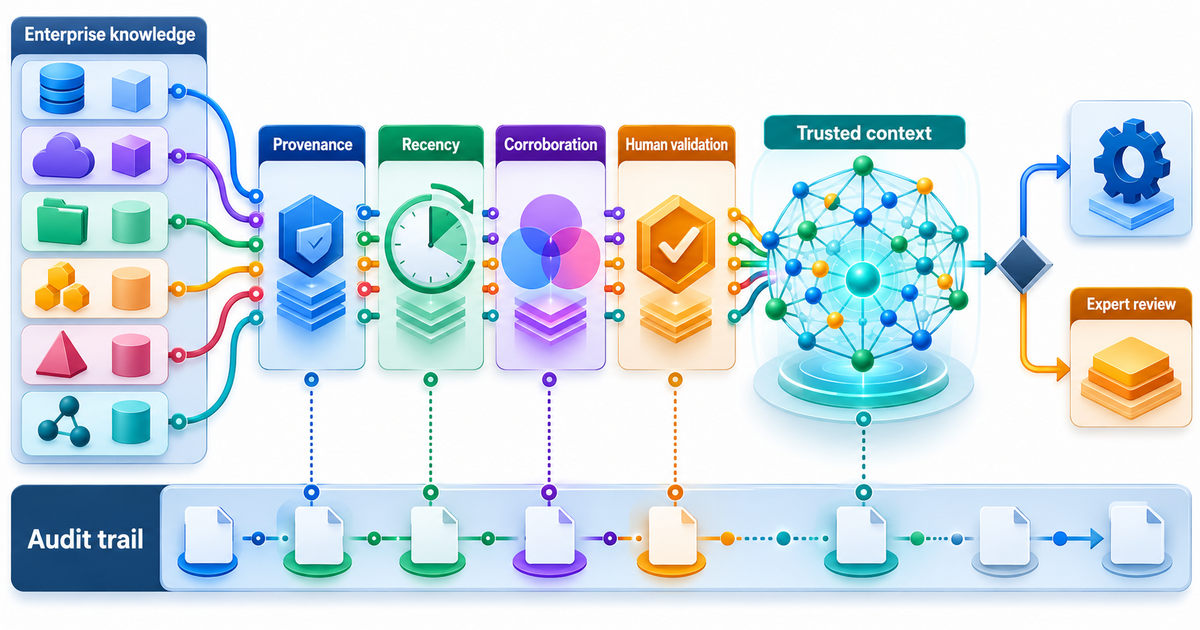
Summary: Stack Overflow’s next Stack Internal release adds provenance, recency, corroboration and expert validation signals so people and agents can reason about whether internal knowledge is trustworthy.
Why it matters: Enterprise AI needs more than retrieval: it needs evidence about where knowledge came from, how current it is, and when a human should resolve conflicting or uncertain context.
Source: Stack Overflow Launches the Next Generation of Stack Internal to Power Trusted Enterprise AI
4. Slack MCP Server turns Lists and records into agent-operable workflow objects
Focus: Applied Generative AI for Knowledge Workers
Date: September 30, 2026
Topics: applied genai knowledge workers
Evidence: Publisher Authored
Availability: Available
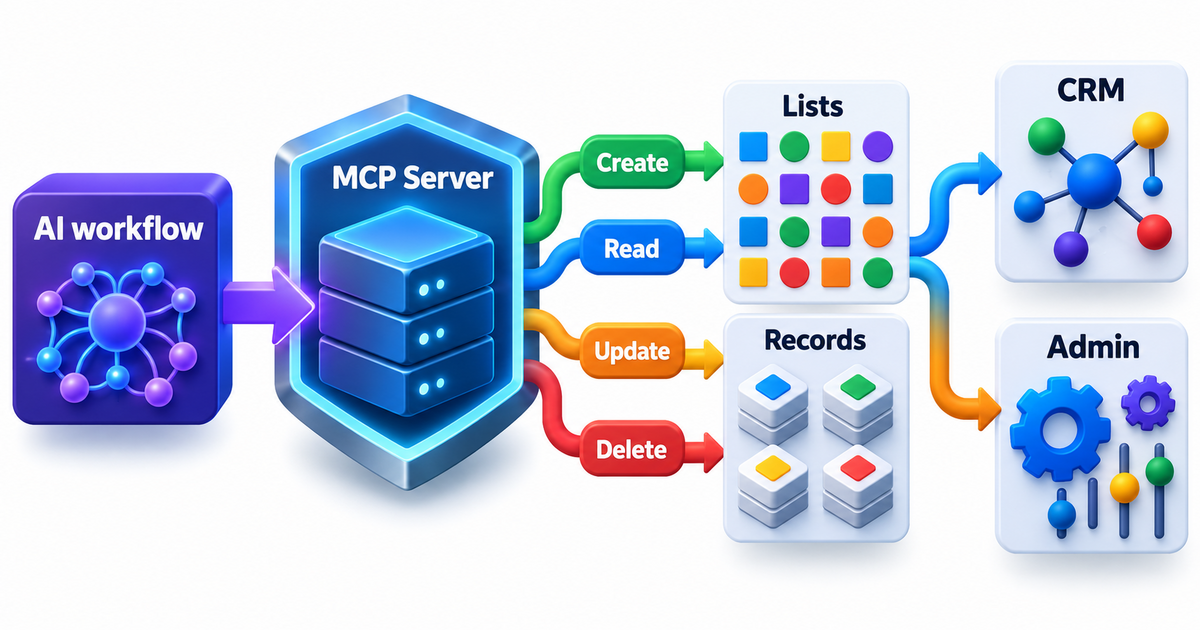
Summary: Slack’s September feature release expands its MCP Server with create, read, update and delete operations for Lists and records, enabling AI-assisted CRM and administrative workflows inside structured work data.
Why it matters: When agents can safely manipulate structured workflow objects through governed interfaces, teams can automate recurring operational work without relying on brittle screen imitation.
Source: Slack Feature Drop: It’s Officially Fall, But Innovations Are Still in Bloom
5. Cohere Embed 5 splits retrieval into Pro and Fast models with one shared space
Focus: Technical AI Engineering
Date: September 30, 2026
Topics: technical ai engineering
Evidence: Publisher Authored
Availability: Available
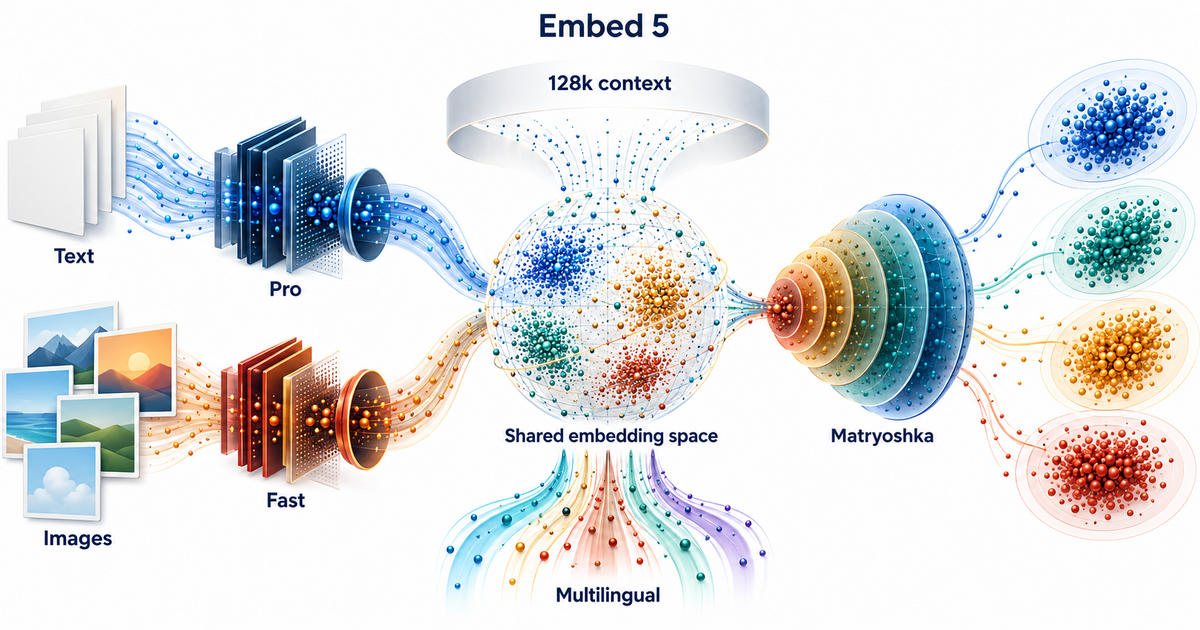
Summary: Cohere introduced Embed 5 Pro and Fast as multimodal enterprise embedding models that share one vector space while supporting long-context, multilingual and Matryoshka-style retrieval workflows.
Why it matters: A shared embedding space lets teams trade quality and speed without maintaining separate retrieval indexes, making model choice an operational control rather than a data-migration event.
Source: Announcing Cohere's Embed 5 Models
6. Dogwood moves agent governance into the action sequence
Focus: Technical AI Engineering
Date: October 1, 2026
Topics: technical ai engineering
Evidence: Publisher Authored
Availability: Available
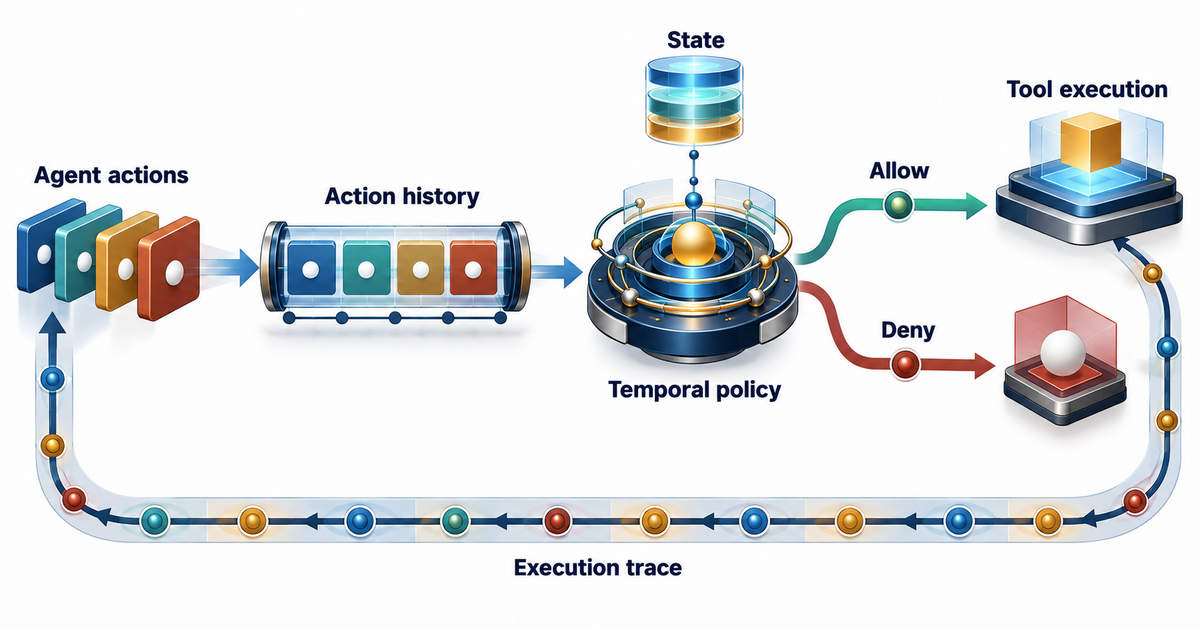
Summary: AWS introduced the Dogwood Local Engine to apply temporal policy to ordered agent actions, using execution history and state to decide whether a tool action should proceed.
Why it matters: Agent safety depends on what happens before and after an action, not only on the action in isolation; sequence-aware policy makes that runtime context enforceable.
Source: Introducing the Dogwood Local Engine: temporal governance for agent actions
Worth Watching
7. General
Microsoft Copilot Just Got a Massive Upgrade
Open the permanent video page
Channel: Kevin Stratvert
Date: September 29, 2026
Duration: 9:24
Format: Video
Summary: A concise practical walkthrough of the new Copilot surfaces for everyday knowledge work.
Why it matters: Practical walkthrough of the new Copilot Home, Autopilot and Code surfaces for knowledge-worker workflows.
Source: Watch on YouTube
8. Agents for Everyone
Meet Home in Copilot
Open the permanent video page
Channel: Microsoft 365
Date: September 30, 2026
Duration: 0:20
Format: Video
Summary: A 20-second first-party view of Copilot Home bringing Chat and Cowork into one starting point.
Why it matters: First-party short showing the Home experience where Chat and Cowork come together.
Source: Watch on YouTube
Worth Listening — Podcasts
9. DX Today AI Daily Brief - Wednesday, September 30, 2026
Open the permanent podcast page
Show: DX Today | No-Hype Podcast & News About AI & DX
Host / guest: Rick Spair
Focus: Agents for Everyone
Date: September 30, 2026
Duration: 11:06
Topics: agents, business workflows
Summary: Covers Dots, Meta Muse, AI policy, tooling and enterprise developments relevant to the selected edition.
Why it matters: Covers Dots, Meta Muse, AI policy, tooling and enterprise developments relevant to the selected edition.
Connection to the brief: Covers Dots, Meta Muse, AI policy, tooling and enterprise developments relevant to the selected edition.
Coverage: Locked October 2 Run 5 media selection.
Evidence: Practitioner analysis. Podscan reports Sep 30, 2026 and 11 minutes; Podcast Paradise indexes 11:06.
Listen / watch: DX Today | No-Hype Podcast & News About AI & DX
10. Morning Brief — Confidence Drop, Venue Access, NFIP Relief, and Agent Payments - September 30, 2026
Open the permanent podcast page
Show: The Morning Brief
Host / guest: Jeff Bechtel
Focus: Technical AI Engineering
Date: September 30, 2026
Duration: 13:00
Topics: agent payments, AI workflow controls
Summary: Adds a separate daily-news source with agent-payment controls and AI workflow context.
Why it matters: Adds a separate daily-news source with agent-payment controls and AI workflow context.
Connection to the brief: Adds a separate daily-news source with agent-payment controls and AI workflow context.
Coverage: Locked October 2 Run 5 media selection.
Evidence: Practitioner analysis. Apple Podcasts lists the Sep 30 episode at 13 minutes.
Listen / watch: The Morning Brief
Emerging AI Watchlist
2 new today · 5 updated · 11 carried forward. 1 archived / dropped recently.
New today:
- Trusted enterprise context becomes machine-readable for agents
- Sovereign open AI becomes an organized infrastructure layer
Updated today:
- Repairable AI-generated 3D designs
- Reusable agent skills become observable
- AI harness engineering becomes a first-class layer
- Model lifecycle governance for AI products
- Decision models emerge as a separate AI systems layer
Carried forward:
- Collaborative vibe coding
- Restoring images after repeated AI edits
- Agent safeguards tailored to the task
- Language models that also predict concepts
- Turning agent memory into compact plans
- Building 3D worlds through recursive code
- Smaller model memory through selective precision
- Agents that persist across sessions
- AI adoption measured at the feature level
- Agentic workloads move toward measured edge inference
- Agents that overclaim task completion
Archived / dropped recently:
- Source-aware verification for tool-using agents — Not retained as a distinct active mechanism after the October 1 independent sweep.
Help choose what we investigate next. Explore emerging ideas and tell us which interest you.
Editorial takeaway
Today’s strongest pattern is operationalization: retrieval, agent governance, trusted enterprise context, structured workflow actions, reusable skills and approval boundaries are turning generative AI from isolated prompting into governed systems of work.