Daily Generative AI Brief — October 30, 2026
Published: October 30, 2026
Coverage period: October 27–29, 2026
IN THIS EDITION · 6 ARTICLES / 2 VIDEOS / 2 PODCASTS
Choose what matters to your work
- Google and NIQ outline product-data grounding for agentic commerceArticle · about 5 min source read
- Agent Builder turns release-note triage into a repeatable reviewArticle · about 8 min source read
- OpenAI reorganizes its Model Spec around five operating valuesArticle · about 6 min source read
- n8n shifts its automation team from service desk to enablementArticle · about 7 min source read
- AWS shows intent-driven UI testing as a managed browser serviceArticle · about 7 min source read
- NVIDIA brings local speech models and agent controls to RTX Spark laptopsArticle · about 6 min source read
- Self-regulation 'not enough' for AI safety, Gary Marcus saysVideo · 6:37
- How to raise kids who question AIVideo · 13:37
- AI’s midterm coalitions, Anthropic’s safety bill, and VC conflictsPodcast · 29:03
- Anthropic, GitHub, NVIDIA and Google Put Judgment on RecallPodcast · 12:59
1. Google and NIQ outline product-data grounding for agentic commerce
Focus: Agents for Everyone
Date: October 29, 2026
Topics: Product grounding, Local availability, Purchase review
Evidence: Publisher Authored
Availability: Available
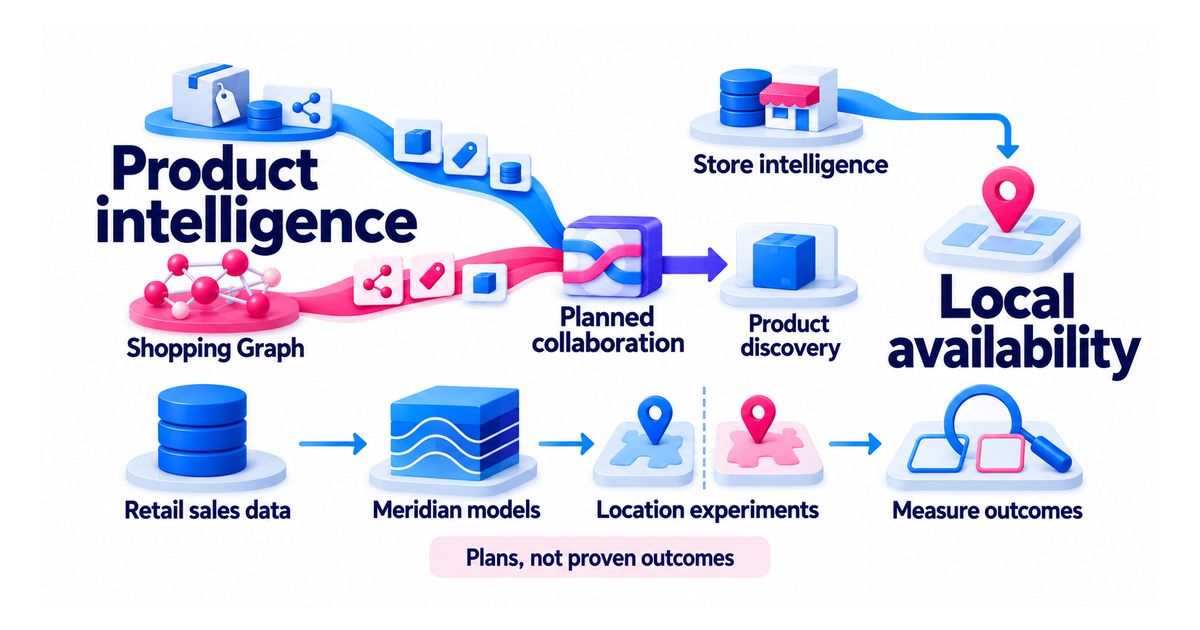
Summary: Google and NielsenIQ announced a partnership intended to combine Google’s Shopping Graph with NIQ product, retail and measurement data for agentic commerce. The companies describe better discovery, local availability and campaign measurement, but the release contains plans and partner claims rather than completed outcome evidence. Retailers still need controlled accuracy and influence tests.
Why it matters: Retail teams can test one noncoding purchase journey by defining trusted product fields, checking local stock, exposing sponsored influence, requiring confirmation and measuring recommendation errors before allowing an agent to complete transactions.
Source: NIQ and Google Partner to Advance Agentic Commerce
2. Agent Builder turns release-note triage into a repeatable review
Focus: Agents for Everyone
Date: October 27, 2026
Topics: Agent Skills, Procedure packaging, Fresh tests
Evidence: Publisher Authored
Availability: Available
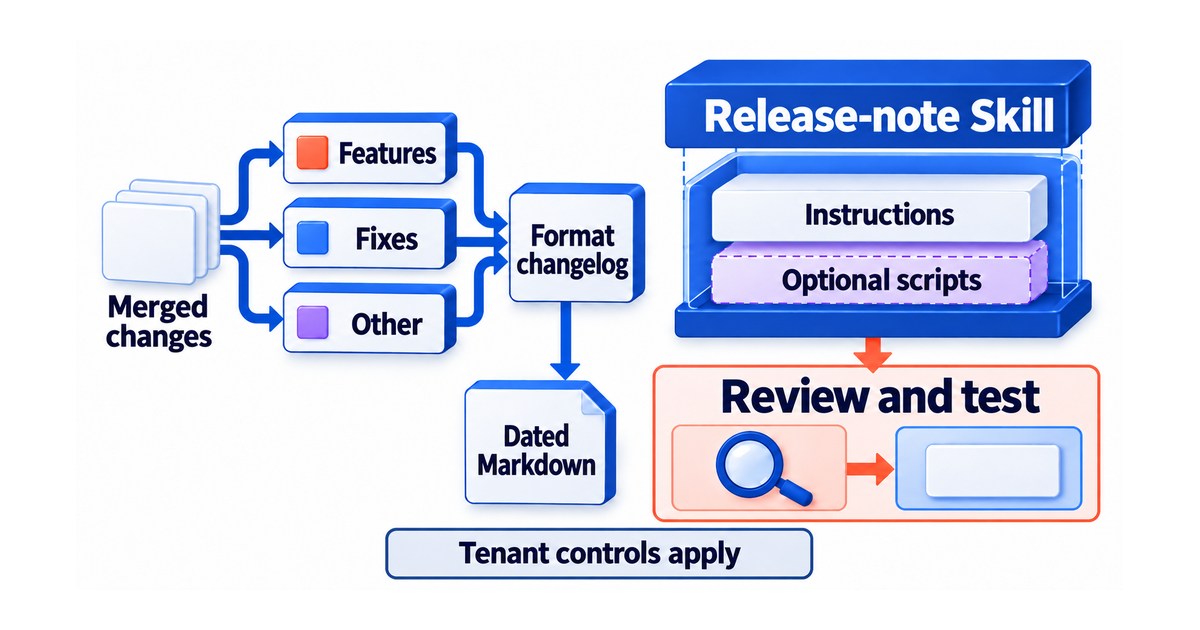
Summary: Microsoft Learn shows a release manager describing a workflow that groups merged changes into Features, Fixes and Other, then formats a dated Markdown changelog. Agent Builder packages those instructions as a Skill for review and testing. Teams may add references or scripts, but licensing, tenant controls and output accuracy still need local verification.
Why it matters: Release managers can define one bounded input, three change categories and an expected changelog format, inspect the generated Skill, and test a fresh list of merged changes before sharing the routine across a team.
Source: Add skills to your declarative agent in Agent Builder
3. OpenAI reorganizes its Model Spec around five operating values
Focus: Applied Generative AI for Knowledge Workers
Date: October 29, 2026
Topics: Model values, Human agency, Behavior testing
Evidence: Publisher Authored
Availability: Available
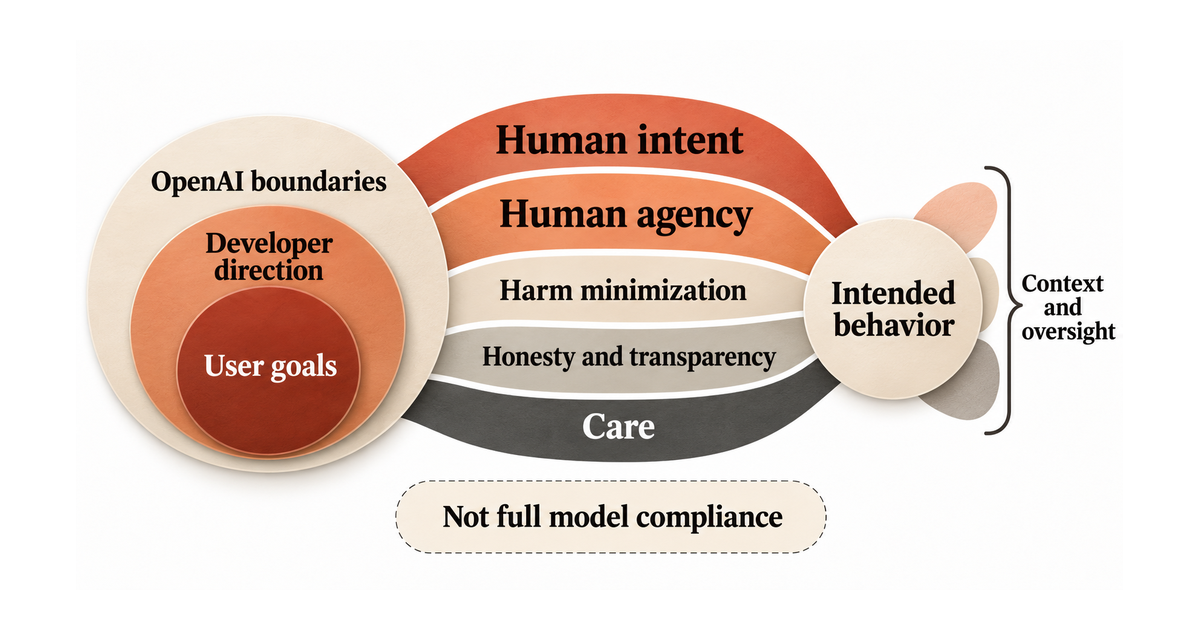
Summary: OpenAI reorganized its Model Spec around human intent, harm minimization, honesty and transparency, human agency and care. The update also revises guidance on context, oversight and authority while acknowledging that deployed models do not yet fully reflect the specification. The document is a provider standard, not proof of consistent behavior in every workflow.
Why it matters: Knowledge-work teams can turn the five values into acceptance tests for one recurring task, checking instruction priority, disclosure, user control, sensitive decisions and escalation instead of treating a provider policy as automatic compliance.
Source: An updated Model Spec for more capable and beneficial AI
4. n8n shifts its automation team from service desk to enablement
Focus: Applied Generative AI for Knowledge Workers
Date: October 29, 2026
Topics: Automation culture, Local ownership, Baseline metrics
Evidence: Publisher Authored
Availability: Available
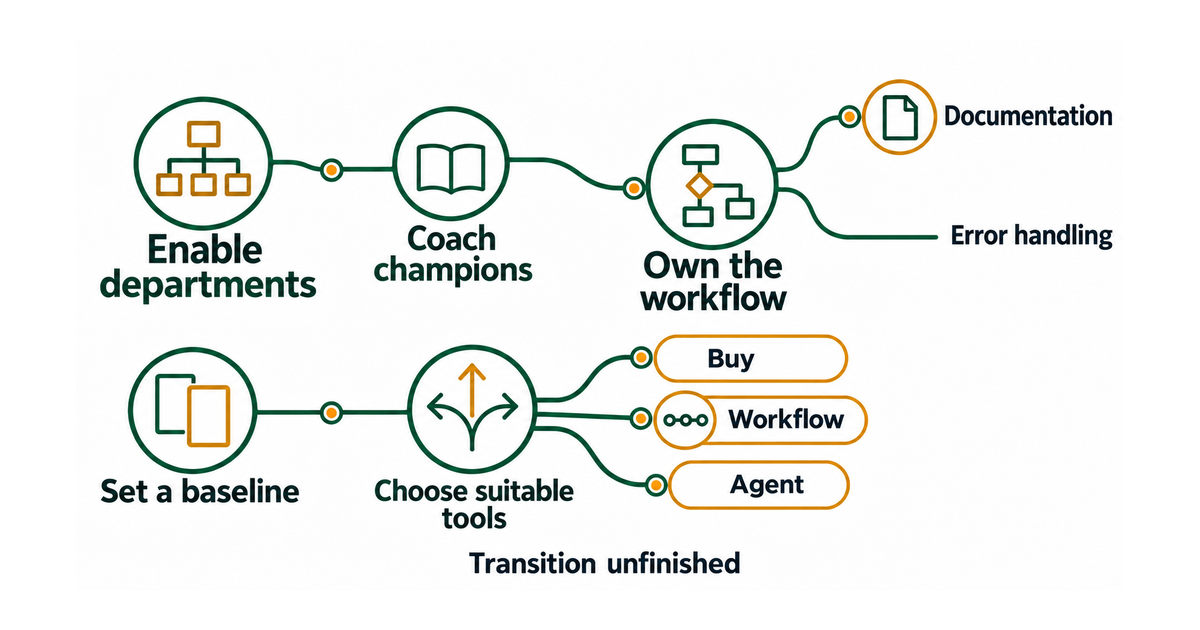
Summary: n8n’s internal automation leader describes moving a central team from request fulfillment toward enabling departments to own workflows. Four principles emphasize training local champions, establishing baselines, choosing the simplest suitable tool and assigning durable ownership with documentation and error handling. The author also says the cultural transition and documentation standard remain unfinished.
Why it matters: Operations leaders can evaluate one automation request by recording the current baseline, naming a departmental owner, comparing buy, workflow and agent options, and defining maintenance evidence before the central team agrees to build anything.
Source: Why We're Moving n8n's Automation Team Beyond the Service Desk Model
5. AWS shows intent-driven UI testing as a managed browser service
Focus: Technical AI Engineering
Date: October 29, 2026
Topics: Intent testing, Browser isolation, Replay evidence
Evidence: Publisher Authored
Availability: Available
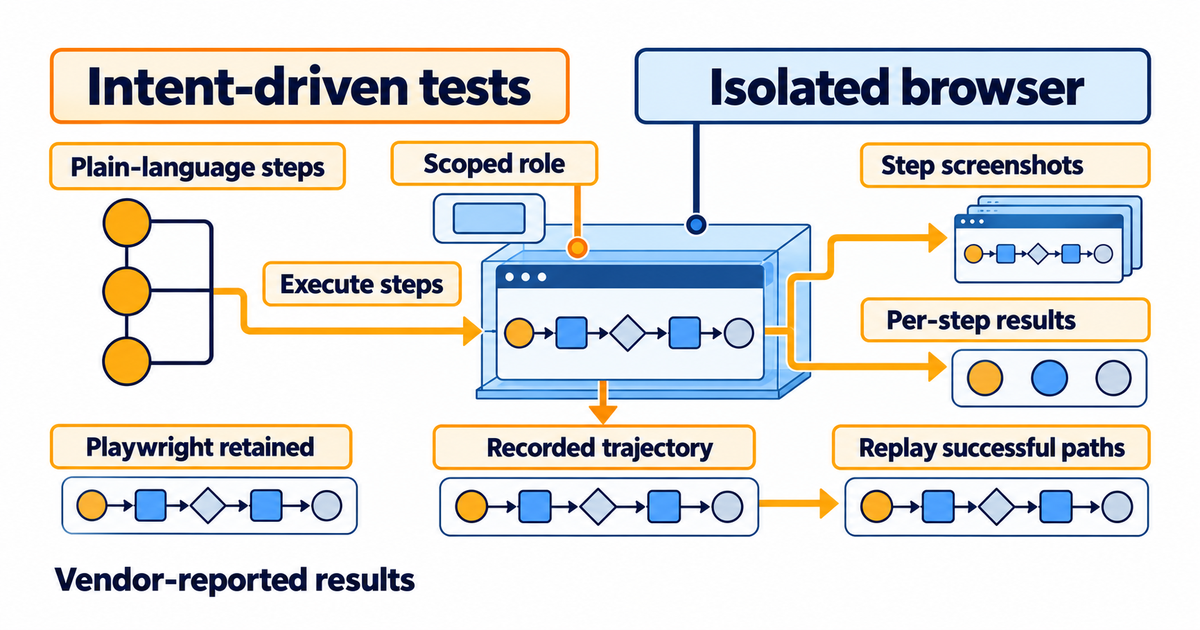
Summary: Epsilon’s platform team combined Amazon Nova Act with managed browser sessions to express tests in plain language, replay trajectories, capture screenshots and isolate runs. AWS reports faster authoring and reliable replay in its customer case, but those measurements remain vendor-reported and should be reproduced on representative workflows before adoption.
Why it matters: Engineers can compare one brittle selector-based test with an intent-driven version, then measure authoring effort, replay success, failure diagnosis, security isolation and maintenance cost before expanding autonomous browser testing across product teams.
Source: Building intent-driven UI testing with Amazon Nova Act
6. NVIDIA brings local speech models and agent controls to RTX Spark laptops
Focus: Technical AI Engineering
Date: October 28, 2026
Topics: Local speech AI, Unified memory, GPU allocation
Evidence: Publisher Authored
Availability: Available
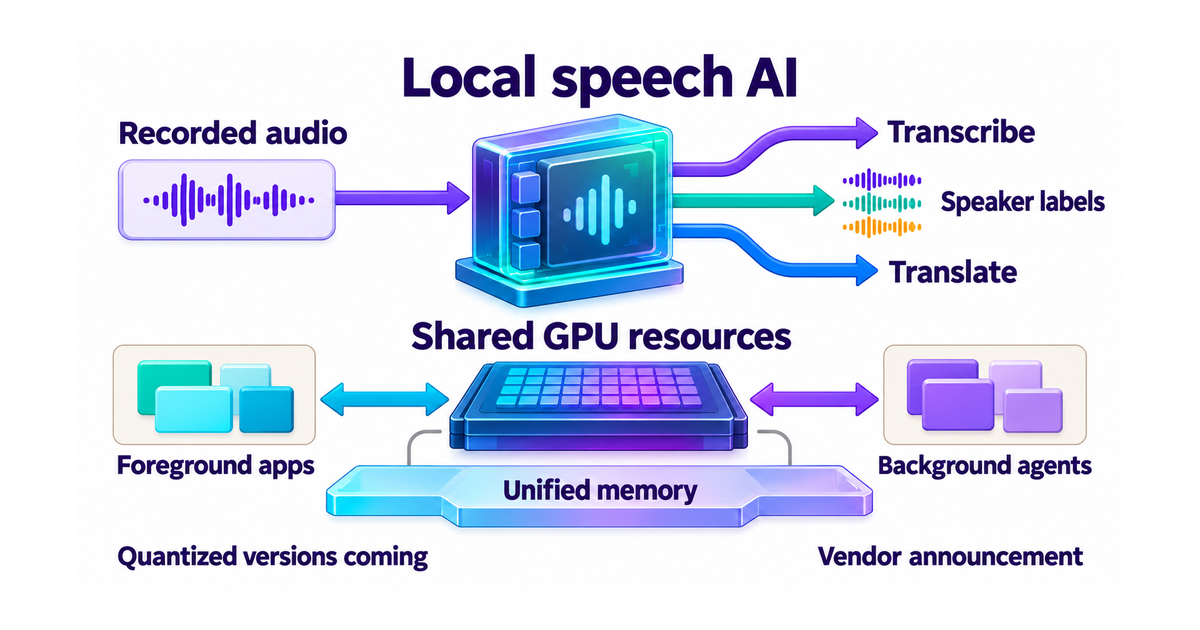
Summary: NVIDIA says RTX Spark laptops combine Blackwell graphics, Grace CPUs and up to 128GB of unified memory for local models and agents. Its update adds Nemotron 3.5 Transcribe, LFM3 support and controls for sharing GPU resources between foreground applications and background agents. Performance and ranking claims remain first-party evidence requiring workload-specific tests.
Why it matters: Teams can build a local-inference test that measures transcription accuracy, language coverage, memory pressure, foreground responsiveness and privacy boundaries before deciding whether speech and background-agent workloads belong on laptops or cloud infrastructure.
Worth Watching
7. General
Self-regulation 'not enough' for AI safety, Gary Marcus says
Open the permanent video page
Channel: PBS NewsHour
Date: September 29, 2026
Duration: 6:37
Format: Video
Summary: PBS NewsHour interviews AI researcher Gary Marcus about why voluntary company safeguards are insufficient. He argues for independent pre-release evaluation, transparent criteria, incident disclosure and post-release auditing while rejecting simplistic extinction scenarios. The segment is reporting and expert opinion, so its policy prescriptions should be weighed against other legal and technical perspectives.
Why it matters: The interview gives governance teams a concrete review checklist: identify independent evaluators, release thresholds, incident-reporting duties, audit access and accountable decision makers before accepting a provider’s safety assurances.
Source: Watch on PBS NewsHour
8. Agents for Everyone
How to raise kids who question AI
Open the permanent video page
Channel: TED
Date: May 1, 2026
Duration: 13:37 · Longer selection today: no suitable video of 10 minutes or less was found.
Format: Video
Summary: AI education researcher Randi Williams examines how children form emotional bonds with AI toys and why adults should help them question system rules, limits and answers. Her examples emphasize playful inspection, shared use and family values rather than blanket bans. The talk presents a researcher’s framework, not longitudinal proof of developmental outcomes.
Why it matters: Parents, educators and product teams gain a practical lens for reviewing child-facing AI: inspect the relationship being encouraged, test the system’s limits, discuss who wrote its rules and keep adults involved in use.
Source: Watch on TED
Worth Listening — Podcasts
9. AI’s midterm coalitions, Anthropic’s safety bill, and VC conflicts
Open the permanent podcast page
Show: Possible
Focus: Agents for Everyone
Date: October 28, 2026
Duration: 29:03
Summary: Reid Hoffman and Aria Finger discuss emerging AI political coalitions, proposed developer liability, frontier-lab engagement with government, enterprise model sovereignty and investor conflicts. The complete transcript makes their reasoning inspectable. Hoffman’s political, board and investment positions shape the analysis, so readers should treat it as an attributed perspective rather than neutral consensus.
Why it matters: Use the episode to separate four governance questions: who sets release rules, who bears liability, who controls enterprise authority and how investors prevent confidential information from crossing between competing AI companies.
Coverage: Selected for this edition.
Listen / watch: Possible
10. Anthropic, GitHub, NVIDIA and Google Put Judgment on Recall
Open the permanent podcast page
Show: AI Signal Daily
Focus: Agents for Everyone
Date: October 29, 2026
Duration: 12:59
Summary: AI Signal Daily connects ten current stories about engineering interviews, generated code, open-source admission, IDE agents, agent-friendly infrastructure, supply-chain risk, legal review, benchmarks, speech models and consumer resistance. Its complete timestamped transcript and source list make the editorial argument inspectable, while the DoiT-hosted show’s commercial context remains disclosed.
Why it matters: The episode offers a compact audit exercise: identify where abundant AI output shifts scarce work onto reviewers, then assign evidence, rejection authority and recovery measures before calling the workflow automated.
Coverage: Selected for this edition.
Listen / watch: AI Signal Daily
Emerging AI Watchlist
1 new today · 0 updated · 39 carried forward. 1 archived / dropped recently.
New today:
- Product-grounded agentic commerce
Updated today: None
Carried forward: 39
Archived / dropped recently:
- Declarative agent-authored data pipelines — Archived after the October 29 review found no independent evidence that changed the prior declarative-pipeline assessment.
Help choose what we investigate next. Explore emerging ideas and tell us which interest you.
Editorial takeaway
Engineers can compare one brittle selector-based test with an intent-driven version, then measure authoring effort, replay success, failure diagnosis, security isolation and maintenance cost before expanding autonomous browser testing across product teams.