Daily Generative AI Brief — October 7, 2026
Published: October 7, 2026
Coverage period: September 29–October 6, 2026
IN THIS EDITION · 6 ARTICLES / 2 VIDEOS / 2 PODCASTS
Choose what matters to your work
- OpenAI dots brings persistent assistants into everyday workArticle · about 4 min source read
- AWS packages SageMaker inference expertise as a reusable agent skillArticle · about 5 min source read
- Contracting workflows become measurable AI tasksArticle · about 5 min source read
- Atlassian and OpenAI connect frontier intelligence to enterprise contextArticle · about 4 min source read
- EmbeddingGemma 2 brings semantic retrieval onto the deviceArticle · about 5 min source read
- Blackwell and inference optimization push Astra into faster agent loopsArticle · about 5 min source read
- Am I paying for a giant model I don't need?Video · 4:10
- How to protect your repo in 2 minutes with gh-secureVideo · 2:00
- Kevin Roose Didn’t Use AI to Write His Book About AIPodcast · 40:00
- AI runs hotPodcast · 9:28
1. OpenAI dots brings persistent assistants into everyday work
Focus: Agents for Everyone
Date: September 29, 2026
Topics: persistent assistants, delegation, connected apps
Evidence: Independent Reporting
Availability: Available
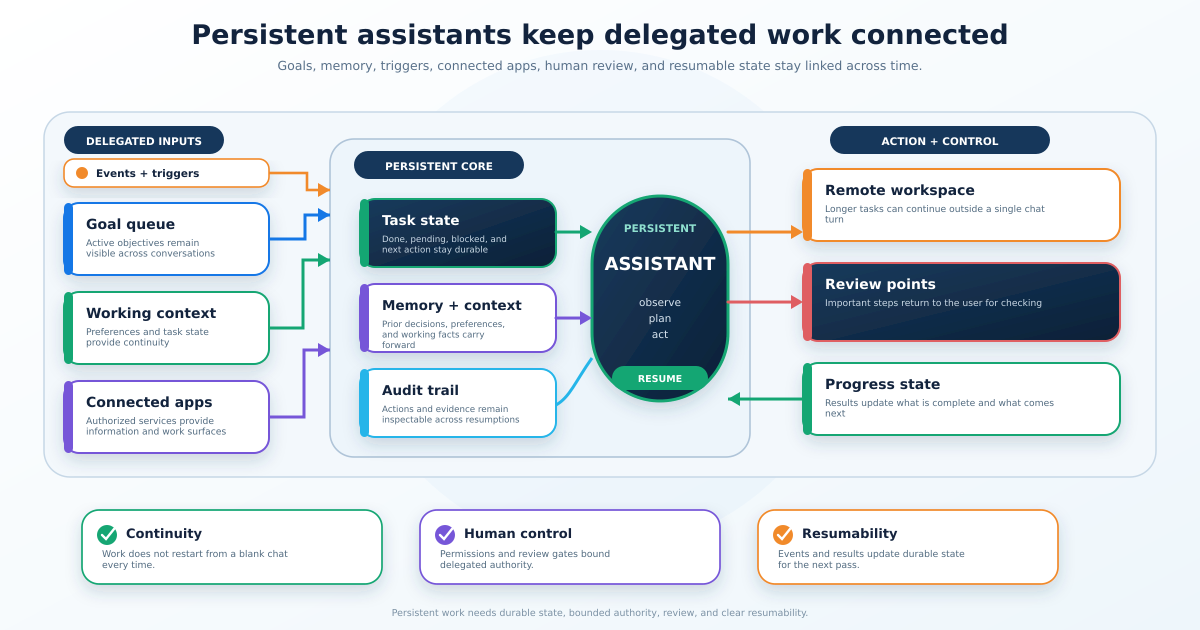
Summary: OpenAI introduced dots at its September 29 Developer Day. The product is designed as a persistent assistant that can maintain continuity across tasks and connected applications instead of starting from a blank conversational state each time.
Why it matters: The product shifts attention from single answers to continuity over time. Users will need clear goals, sensible permissions, and review points when they delegate recurring work.
Source: OpenAI takes on Meta with dots agent in autonomous AI push
2. AWS packages SageMaker inference expertise as a reusable agent skill
Focus: Agents for Everyone
Date: October 5, 2026
Topics: Agent Skills, MCP, SageMaker, inference optimization
Evidence: Publisher Authored
Availability: Available
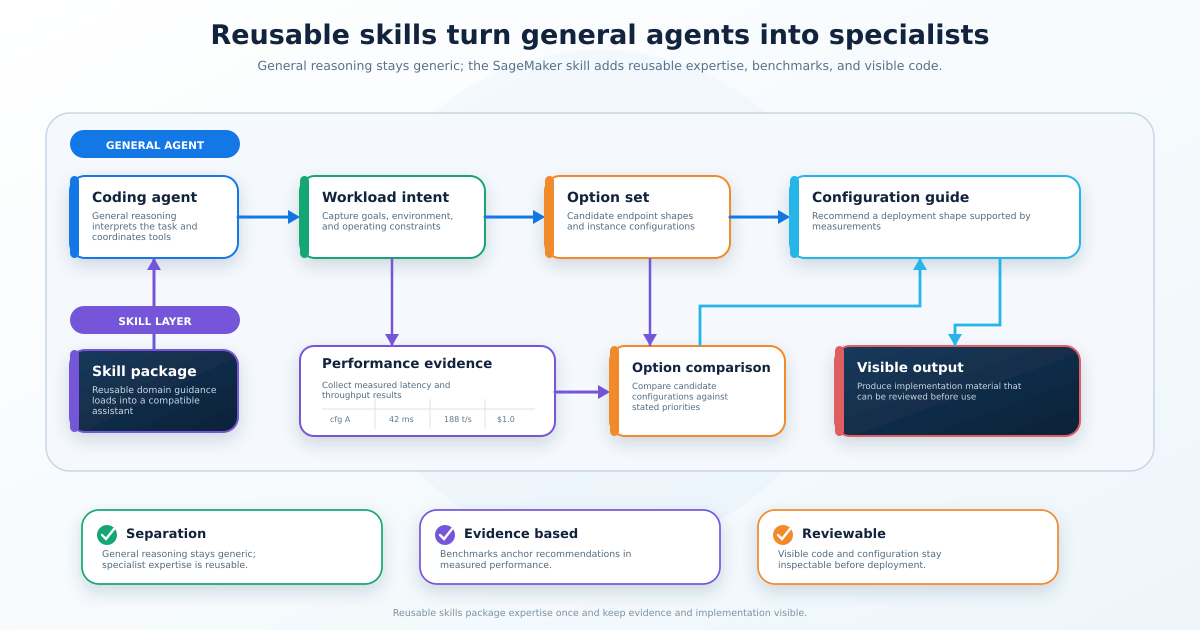
Summary: AWS introduced the aws-ai-ml skill through the Agent Toolkit for AWS. It gives compatible coding assistants reusable expertise for benchmarking SageMaker endpoints, comparing performance, recommending configurations, and producing inspectable SageMaker Python SDK v3 code.
Why it matters: This is a concrete example of a reusable Agent Skill rather than a one-off prompt. Teams can package specialist guidance once, load it where compatible, and keep recommendations tied to measured evidence and visible code.
Source: New agent skill: Amazon SageMaker optimized generative AI inference for your coding agent
3. Contracting workflows become measurable AI tasks
Focus: Applied Generative AI for Knowledge Workers
Date: October 6, 2026
Topics: workflow evaluation, legal operations, computer use
Evidence: Publisher Authored
Availability: Available
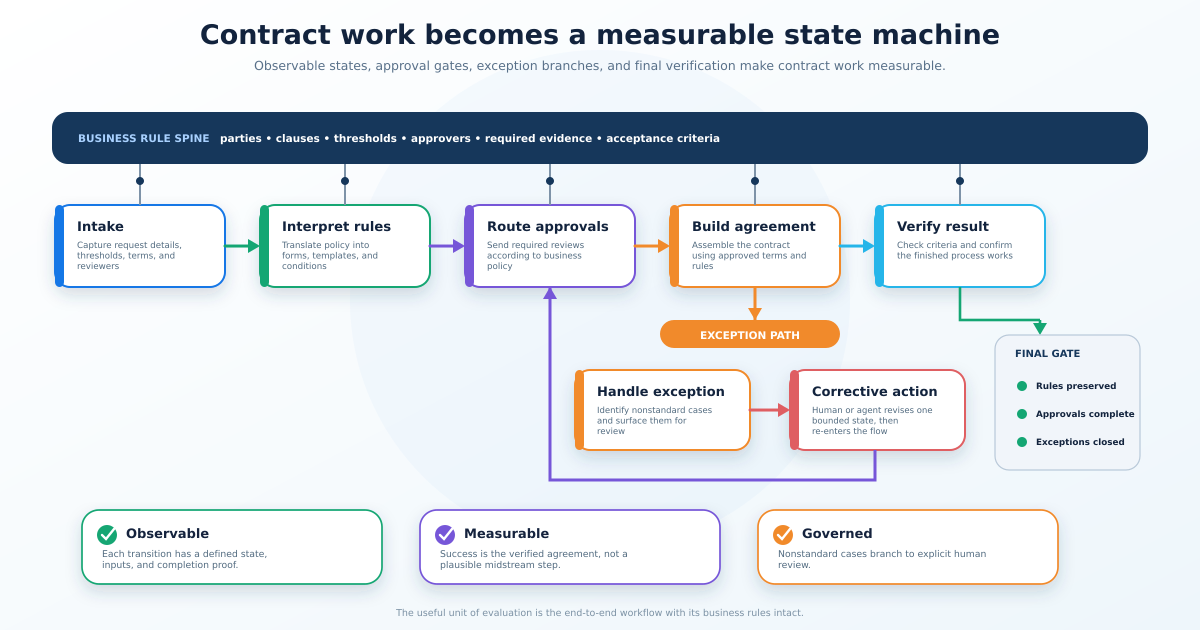
Summary: A collaboration with Ironclad translated representative contracting work into structured training and evaluation tasks. OpenAI reported that GPT-6 Astra achieved a higher average score and lower estimated time per attempt than GPT-5.6 Sol on the research task set.
Why it matters: Professional AI needs to preserve business requirements across a complete workflow. Explicit task criteria make it possible to measure whether a finished process actually satisfies those requirements.
Source: Advancing computer use with Ironclad
4. Atlassian and OpenAI connect frontier intelligence to enterprise context
Focus: Applied Generative AI for Knowledge Workers
Date: October 6, 2026
Topics: enterprise context, Teamwork Graph, knowledge work, human-agent collaboration
Evidence: Publisher Authored
Availability: Available
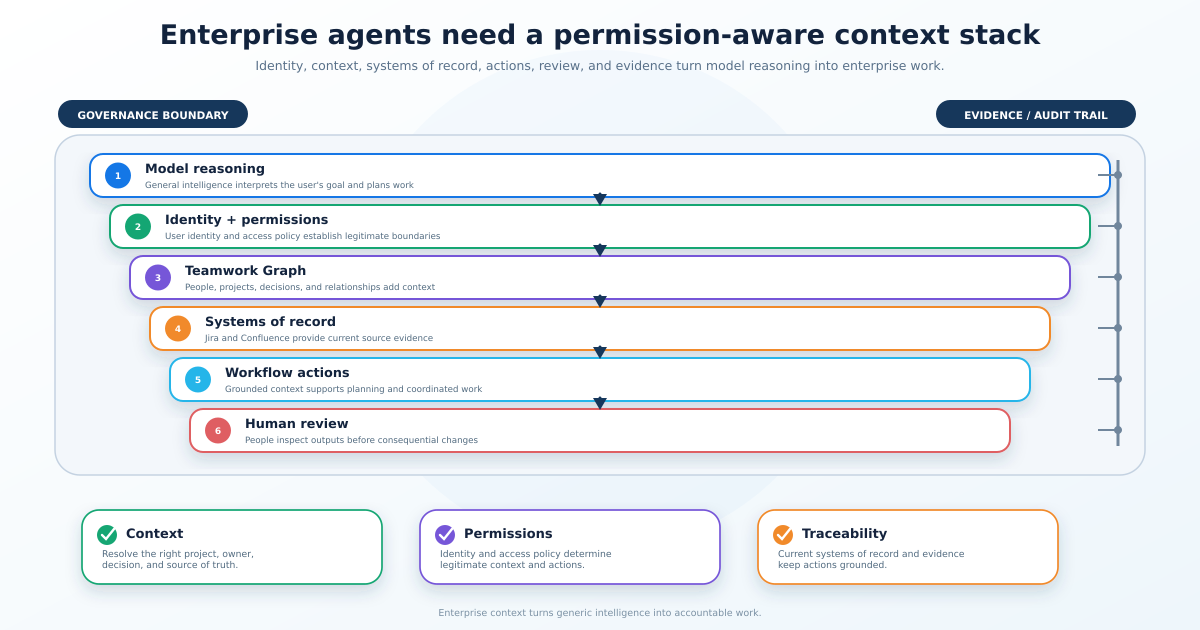
Summary: Atlassian and OpenAI are deepening their partnership around the idea that frontier intelligence needs access to the goals, knowledge, people, and processes that shape enterprise work. Atlassian positions its Teamwork Graph and systems of record as a context layer for reasoning about live organizational state.
Why it matters: Better models alone do not solve the enterprise context problem. Useful workplace AI must identify the right project, decision, owner, permission, and source of truth, while keeping people involved in consequential work.
Source: Grounding Frontier Intelligence in Enterprise Context
5. EmbeddingGemma 2 brings semantic retrieval onto the device
Focus: Technical AI Engineering
Date: October 6, 2026
Topics: multimodal embeddings, edge AI
Evidence: Publisher Authored
Availability: Available
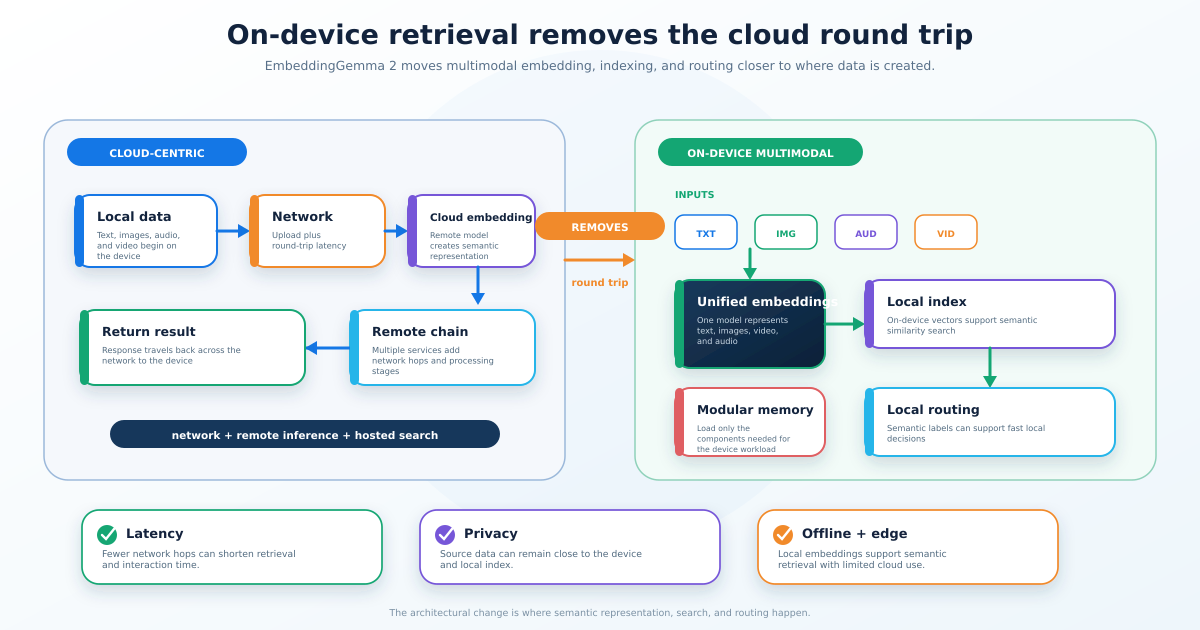
Summary: Google introduced EmbeddingGemma 2 for compact multimodal embedding workloads on edge devices.
Why it matters: The release gives engineers another option for building responsive semantic-search experiences close to where data is created.
Source: Bring multimodal semantic search to the edge with EmbeddingGemma 2
6. Blackwell and inference optimization push Astra into faster agent loops
Focus: Technical AI Engineering
Date: October 1, 2026
Topics: inference optimization, Blackwell, latency
Evidence: Publisher Authored
Availability: Available
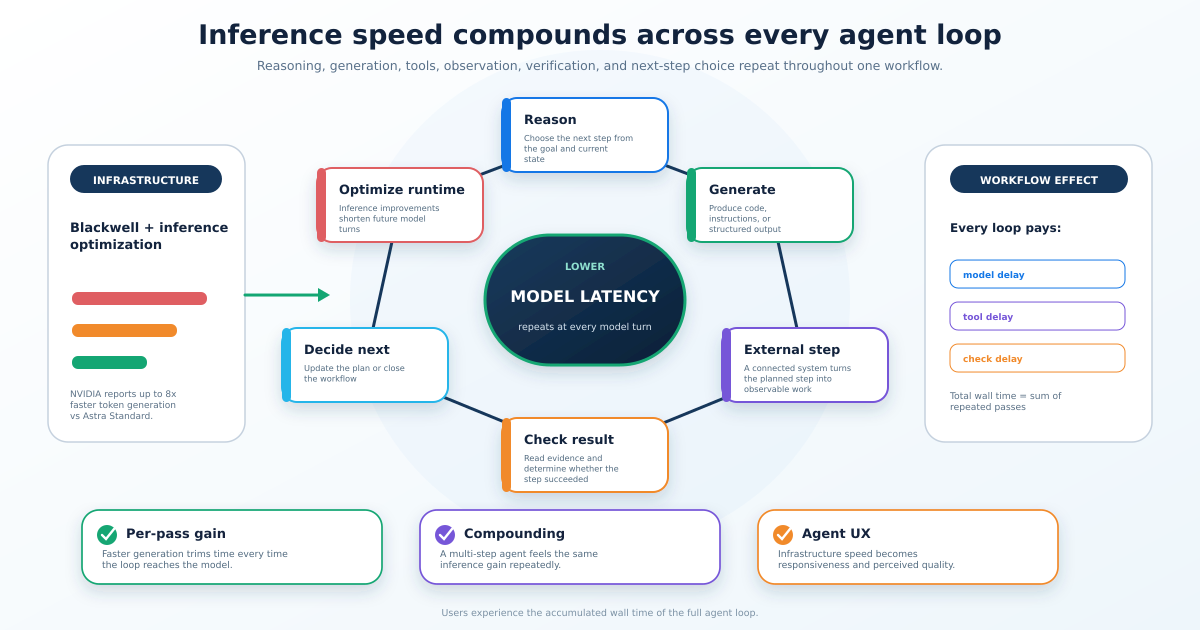
Summary: NVIDIA says GPT-6 Astra Ultrafast on Blackwell GPUs delivers up to 8x faster token generation than Astra Standard through ongoing inference optimization.
Why it matters: Latency savings can compound across repeated model turns in interactive workflows, making infrastructure performance part of the user experience rather than a back-end detail.
Source: How NVIDIA GPUs Help Accelerate OpenAI’s GPT-6 Astra Ultrafast
Worth Watching
7. General
Am I paying for a giant model I don't need?
Open the permanent video page
Channel: Microsoft Developer
Date: October 1, 2026
Duration: 4:10
Format: Video
Summary: A short walkthrough of evaluating model routing against a baseline across quality, cost, latency, value, and model distribution.
Why it matters: It gives engineers a compact method for deciding whether routing fits their own workload.
Source: Watch on Microsoft Developer
8. Agents for Everyone
How to protect your repo in 2 minutes with gh-secure
Open the permanent video page
Channel: GitHub
Date: October 4, 2026
Duration: 2:00
Format: Video
Summary: A brief GitHub demonstration of a one-command repository safety check for everyday development workflows.
Why it matters: Short, repeatable checks are useful as AI-assisted development increases the number of automated changes moving through repositories.
Source: Watch on GitHub
Worth Listening — Podcasts
9. Kevin Roose Didn’t Use AI to Write His Book About AI
Open the permanent podcast page
Show: Uncanny Valley / WIRED
Host / guest: Not listed
Focus: Agents for Everyone
Date: October 6, 2026
Duration: 40:00
Topics:
Summary: Kevin Roose discusses The AGI Chronicles, the recent history of frontier AI, and how he used AI for research support while keeping the writing human.
Why it matters: The conversation offers a practical perspective on using generative AI for research and organization without automatically delegating authorship.
Connection to the brief: The conversation offers a practical perspective on using generative AI for research and organization without automatically delegating authorship.
Coverage: Selected for this edition.
Listen / watch: Uncanny Valley / WIRED
10. AI runs hot
Open the permanent podcast page
Show: Reuters Morning Bid
Host / guest: Not listed
Focus: Agents for Everyone
Date: October 6, 2026
Duration: 9:28
Topics:
Summary: Reuters examines the market impact of surging AI enthusiasm, including Nvidia’s valuation and the concentration of investor attention around AI infrastructure.
Why it matters: It provides a concise outside-in view of how AI infrastructure expectations are translating into capital-market pressure and investment assumptions.
Connection to the brief: It provides a concise outside-in view of how AI infrastructure expectations are translating into capital-market pressure and investment assumptions.
Coverage: Selected for this edition.
Listen / watch: Reuters Morning Bid
Emerging AI Watchlist
1 new today · 3 updated · 18 carried forward. 1 archived / dropped recently.
New today:
- Multimodal retrieval moves on-device
Updated today:
- Reusable agent skills become observable
- Agents that persist across sessions
- Trusted enterprise context becomes machine-readable for agents
Carried forward: 18
Archived / dropped recently:
- Single-model leaderboard movement as a standalone adoption signal — Current evidence is more actionable around workflow context, reusable skills, edge retrieval, and end-to-end latency. A benchmark change without a clear workflow mechanism is not strong enough to remain a watch item by itself.
Help choose what we investigate next. Explore emerging ideas and tell us which interest you.
Editorial takeaway
The product shifts attention from single answers to continuity over time. Users will need clear goals, sensible permissions, and review points when they delegate recurring work.